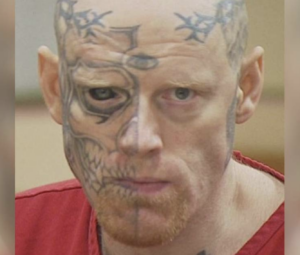
On the last night of the year, federal agents quietly carried out a targeted operation in Minneapolis that resulted in the arrest of Mahad Abdulkadir Yusuf — a man described by authorities as a convicted sex offender who had evaded federal custody for years. What might have been a routine enforcement action instead became a defining moment in the ongoing struggle over sanctuary policies, community trust, and the role of federal law enforcement in American cities. By the morning of January 1, news of Yusuf’s arrest had spread through Minneapolis and across the country.
To federal officials, it was evidence of a system weakened by local policies that limit cooperation with immigration authorities. To community advocates and city leaders, it was a stark example of how aggressive enforcement tactics can heighten fear in immigrant neighborhoods and undermine public safety itself.
The Man at the Center of the Controversy
Federal authorities, including U.S. Immigration and Customs Enforcement (ICE) and Homeland Security Investigations (HSI), confirmed that they arrested Mahad Abdulkadir Yusuf in Minneapolis on December 31 during a planned enforcement operation.
According to ICE, Yusuf had a prior conviction for first‑degree criminal sexual conduct involving forced acts, a 2016 conviction for first‑degree assault, and an active 2024 warrant for obstructing police at the time of his arrest.
Federal officials also stated that he entered the United States many years earlier and that previous attempts to take him into custody were blocked at least once when building management denied agents access to his residence.
ICE described the arrest as part of broader efforts to locate and detain noncitizens with criminal histories, arguing that local “sanctuary” policies had long hindered timely enforcement.
In official statements, the agency maintained that restrictions on cooperation between local authorities and federal immigration enforcement prevented them from securing custody of Yusuf despite earlier opportunities.
Sanctuary Policies Under Scrutiny
In Minneapolis and across Minnesota, sanctuary policies have been in place for years. These policies generally limit how much local law enforcement and detention facilities cooperate with ICE — for example, by declining to hold individuals solely on immigration detainers or share detailed immigration status information.
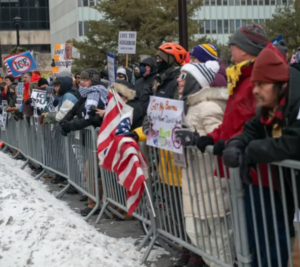
Supporters argue that such policies build trust between immigrant communities and local police, allowing residents to report crime without fear of deportation. Critics argue that they create enforcement gaps, especially when individuals with serious criminal histories leave the criminal justice system.
Federal officials’ reaction to Yusuf’s arrest reflected this longstanding critique. Homeland Security and ICE spokespeople publicly blamed local policies and leaders for creating conditions in which a man with a serious criminal conviction could remain free.
They argued that sanctuary policies — and resistance or obstruction when federal agents attempted to arrest Yusuf in the past — demonstrated how local governance choices can affect national enforcement priorities.
Supporters of sanctuary policies counter that the debate is not only about public safety outcomes but also about constitutional limits on federal authority and the harm aggressive enforcement can inflict on communities already wary of law enforcement.
They note that sanctuary policies do not grant “immunity” from federal law but instead restrict local involvement in immigration enforcement — a civil administrative system separate from criminal justice. Critics also warn that broad cooperation with federal immigration arrests can chill community cooperation on unrelated matters.
Community Reaction: Fear, Anger, and Wounded Trust
In Minneapolis — home to the largest Somali‑American population in the United States and one of the nation’s most diverse immigrant communities — reactions were visceral and multifaceted.

For many Somali‑American families, news of the raid and arrest triggered fear and anxiety. Even U.S. citizens of Somali descent reported heightened caution in encounters with law enforcement.
Some residents described being stopped in public and asked to present paperwork simply because of their appearance or language, contributing to a sense of being treated as suspects in their own neighborhoods.
This atmosphere of fear grew partly due to a broader federal operation that had resulted in hundreds of arrests in immigrant communities across the Twin Cities region leading up to the New Year’s Eve raid.
Community leaders and advocacy groups condemned aspects of the enforcement tactics, arguing that large, visible federal operations — often involving masked agents and unannounced appearances in residential areas — erode trust in law enforcement at a time when cooperation is essential to combating crime.
They also raised concerns about civil rights and racial profiling, particularly when federal agents appear to operate with limited transparency or oversight.
For some residents, memories of past incidents — including the shooting of a Minneapolis woman during an immigration‑related encounter with a federal agent — have deepened mistrust and trauma. Local political leaders have amplified these concerns, framing federal actions not just as enforcement but as intimidation affecting entire communities.
A City Divided: Leadership and Political Responses
Minneapolis Mayor Jacob Frey and Minnesota Governor Tim Walz pushed back against federal criticism, arguing that aggressive immigration enforcement operations have consequences for community safety that extend beyond individual targets. They contended that such actions risk eroding the cooperation needed between residents and local police to solve and prevent crime.
These officials also highlighted the complexity of immigration law enforcement, noting that federal agencies operate under different mandates and legal standards than local police.
They argue that effective policing requires community partnerships and that fear of federal raids can undermine those partnerships. Critics of local leaders counter that public safety and the enforcement of all laws — including immigration violations tied to serious and violent crimes — should be prioritized without hesitation.
Broader National Implications
The arrest of Yusuf and the heated responses underscore unresolved national tensions over immigration policy, criminal justice, and local autonomy.
To federal law enforcement and supporters of strict enforcement, the case illustrates what they see as a dangerous gap: individuals convicted of violent offenses who remain at large because local policies restrict cooperation with ICE.
They argue that public safety requires a seamless approach in which serious criminals are swiftly detained upon release from criminal custody and transferred to immigration authorities when appropriate.
To many immigrant rights advocates, the same facts highlight a different issue: that federal enforcement actions conducted without adequate civil‑liberty safeguards can traumatize entire communities, discourage crime reporting, and strain relationships between residents and law enforcement.
This divide reflects deeper philosophical disagreements about sanctuary policies — whether they represent a compassionate recognition of immigration complexities and due‑process protections, or a weakening of law enforcement that puts communities at risk.
Caught Between Safety and Dignity
Amid the political back‑and‑forth, there are voices that rarely reach the national stage: survivors of crime who want dangerous individuals removed from the streets, immigrant families who fear being swept up in broad enforcement actions, and local law enforcement officers who must balance public safety with community trust.
Some Minneapolis residents have expressed frustration that the national narrative has reduced a complex situation to polarizing slogans. They insist that policy decisions must be grounded in data, due process, and respect for community cohesion — not simply assertions about sanctuary policies or federal authority.
Others argue that safety cannot be sacrificed for ideals and that all levels of government share responsibility when someone convicted of serious crimes remains free.
The Road Ahead
The arrest of Mahad Abdulkadir Yusuf may soon fade from daily headlines, but the deeper fault lines it exposed in Minneapolis — between federal and local authorities, between sanctuary and enforcement, and between competing visions of safety and inclusion — remain unresolved.
Debates over sanctuary policies and federal immigration operations will likely continue shaping policy discussions not only in Minnesota but across the country.
Minneapolis, with its unique demographic makeup and history of intense national scrutiny on policing and civil rights, stands at the center of that conversation.
As policymakers, law enforcement, and community leaders confront these issues, the challenge will be ensuring that public safety, civil liberties, and community trust are all upheld — even as Americans disagree on what that balance should be.