On January 17, 2026, legendary American musician Bruce Springsteen delivered an unexpected and strongly worded political address during his performance at the annual Light of Day Winterfest in Red Bank, New Jersey. Best known for his iconic rock music and deep connection to American cultural identity, Springsteen used his platform to speak about pressing national issues — particularly federal law enforcement actions in Minneapolis that had sparked outrage across the country. His comments, delivered just before performing the classic song “The Promised Land,” ignited controversy, fueled debate about civil liberties, and underscored the widening political divide in the United States.
Springsteen’s Message: Core Themes and Rhetoric
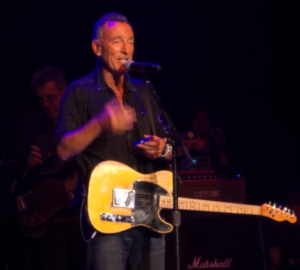
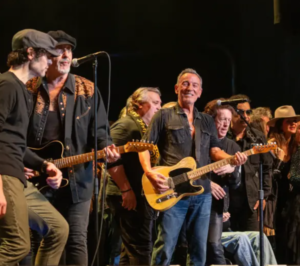
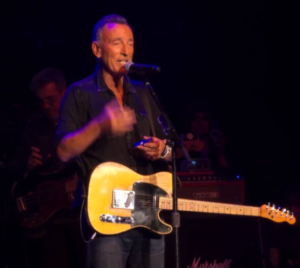
Springsteen took the stage during a benefit show headlined by Joe Grushecky & The Houserockers and other artists, unexpectedly stepping forward to address the audience about events unfolding in Minneapolis.
According to firsthand reporting and videos from the event, Springsteen spoke about “America’s core values” being under strain and warned that democratic ideals — including liberty, the rule of law, and the right to protest — were facing an unprecedented test. Before launching into “The Promised Land,” a song first released in 1978 that he described as an “ode to American possibility,” he dedicated the performance to Renee Nicole Good, a 37‑year‑old Minnesota woman fatally shot earlier that month by an Immigration and Customs Enforcement (ICE) agent during a federal operation.
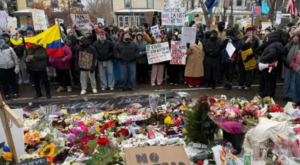
In his remarks, Springsteen echoed criticisms from Minneapolis Mayor Jacob Frey and other local officials, stating that ICE’s presence in the city and the tactics used against protesters and observers were contrary to American ideals.
He invoked vivid imagery, saying that if people “stand against heavily armed masked federal troops invading American cities” and “believe you don’t deserve to be killed for peacefully protesting,” then they should send a message to national leadership.
The crowd responded with enthusiastic applause, clearly connecting with his comments. Springsteen’s decades‑long reputation as a voice for working‑class Americans and social justice added weight to his critique.
The Minneapolis Incident That Sparked National Controversy
To understand Springsteen’s remarks, it’s essential to revisit the Minneapolis incident that became a national flash point. On January 7, 2026, federal immigration agents — part of a large enforcement operation — were conducting raids in the Twin Cities when an ICE officer shot and killed Renee Nicole Good, a U.S. citizen and Minneapolis resident. Good, a 37‑year‑old mother of three, was reportedly acting as a civilian observer near the operation.
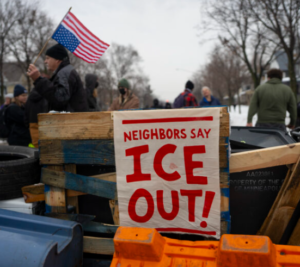
According to multiple news reports and independent investigations, as officers approached her vehicle, she attempted to drive away — a detail widely discussed in subsequent coverage. An independent autopsy commissioned by her family found she was struck by multiple rounds, including a fatal shot to the head.
Federal officials labeled the shooting self‑defense, claiming her vehicle posed a threat. But publicly shared video footage analyzed by human rights groups suggests she was trying to move her car when she was shot. These conflicting accounts have intensified demands for transparency and fueled widespread protests.
Minnesota officials, including Governor Tim Walz, condemned the federal presence and expressed frustration that local investigators were excluded from key parts of the inquiry. Mayor Jacob Frey described the Department of Homeland Security’s self‑defense narrative as inconsistent with available video evidence.
National Guard Preparations and Rising Tensions
Following the shooting, Minnesota authorities prepared for potential unrest. Governor Walz placed the National Guard on heightened readiness — a precaution typically reserved for major emergencies. Local and state agencies increased their presence to manage protests and maintain public safety. In Minneapolis, community responses ranged from peaceful demonstrations to tense encounters between protesters and federal forces.
Solidarity protests also emerged in cities including New York, Seattle, and Washington, D.C., underscoring the national resonance of the issue.
Springsteen’s Criticism: Free Speech and Political Expression
Springsteen’s remarks did not occur in isolation. He has a long history of political engagement — including criticism of policies he views as undermining civil liberties — and has previously supported candidates and causes aligned with his views.
His decision to speak out in New Jersey aligned with this pattern, though the intensity of his language and references to federal tactics in Minneapolis drew renewed attention.
Mainstream media widely covered his comments, with many highlighting his call for unity around constitutional values rather than partisan rhetoric. Meanwhile, conservative commentators and some public officials interpreted the speech as overtly political and critical of the current administration’s enforcement approach.
Federal and White House Response
In response to the widespread coverage — including reactions to Springsteen’s remarks — the White House and the Department of Homeland Security maintained that federal agents, including ICE officers, acted lawfully and within their authority.
Administration officials emphasized the need to balance public safety, border enforcement, and constitutional rights during complex operations. While White House Press Secretary Karoline Leavitt did not address Springsteen directly, she defended federal actions and reiterated that agencies like ICE have the legal authority to conduct enforcement duties.
President Donald Trump also commented on the Minneapolis shooting, describing the situation as tragic but framing it in terms of operational challenges faced by federal agents. His remarks acknowledged that mistakes can occur but stopped short of accepting responsibility.
Public Debate: Law Enforcement, Protest Rights, and American Values
Springsteen’s speech sparked a broader conversation about federal authority, civil liberties, and the right to protest — debates that extend far beyond a single concert or incident.
Supporters argue that his focus on democratic principles aligns with fundamental American values. They point to the right to assembly and free expression as essential elements of national identity and view his remarks as a defense of civil liberties amid concerns about federal overreach.
Critics counter that law enforcement operations — especially those involving alleged organized criminal activity or large‑scale immigration violations — require difficult decisions, and that federal agents must sometimes act in unpredictable and dangerous situations. They argue that politicizing such incidents can undermine respect for the rule of law and complicate public safety efforts.
The shooting of Renee Nicole Good remains under scrutiny by legal experts, local officials, and civil rights organizations, with ongoing calls for transparency and accountability.
Cultural Impact: Artists and Activism in the Modern Era
Springsteen’s remarks reflect a broader trend of artists using their platforms to address political and social issues. From benefit concerts to public statements, musicians, actors, and other cultural figures frequently engage with national debates.
In Springsteen’s case, his cultural legacy and long‑standing connection to themes of working‑class struggle and American aspiration gave added weight to his words. For many fans, his speech served not only as political commentary but as a reflection on the nation’s current challenges and foundational ideals.
For others, blending political messaging with entertainment raises questions about the role of celebrities in shaping public discourse — especially on contentious issues like law enforcement and federal authority.
Conclusion: A Nation Debating Itself
Bruce Springsteen’s January 2026 speech at Light of Day Winterfest — in which he criticized ICE actions and dedicated a performance to the memory of Renee Good — became more than a moment of celebrity political expression. It entered a larger national conversation about government power, civil rights, and the future direction of American society.
By invoking urgent language about democracy’s fragility and dedicating his music to a woman whose death has become symbolic for many Americans, Springsteen highlighted how art and politics increasingly intersect in modern life.
At the same time, the White House’s response and the reactions from supporters and critics illustrate the deep polarization surrounding immigration, law enforcement, and protest rights.
As the debate continues — legally, culturally, and politically — Springsteen’s remarks will likely remain a reference point in ongoing discussions about American values and the role of individuals, artists, and institutions in defending them.