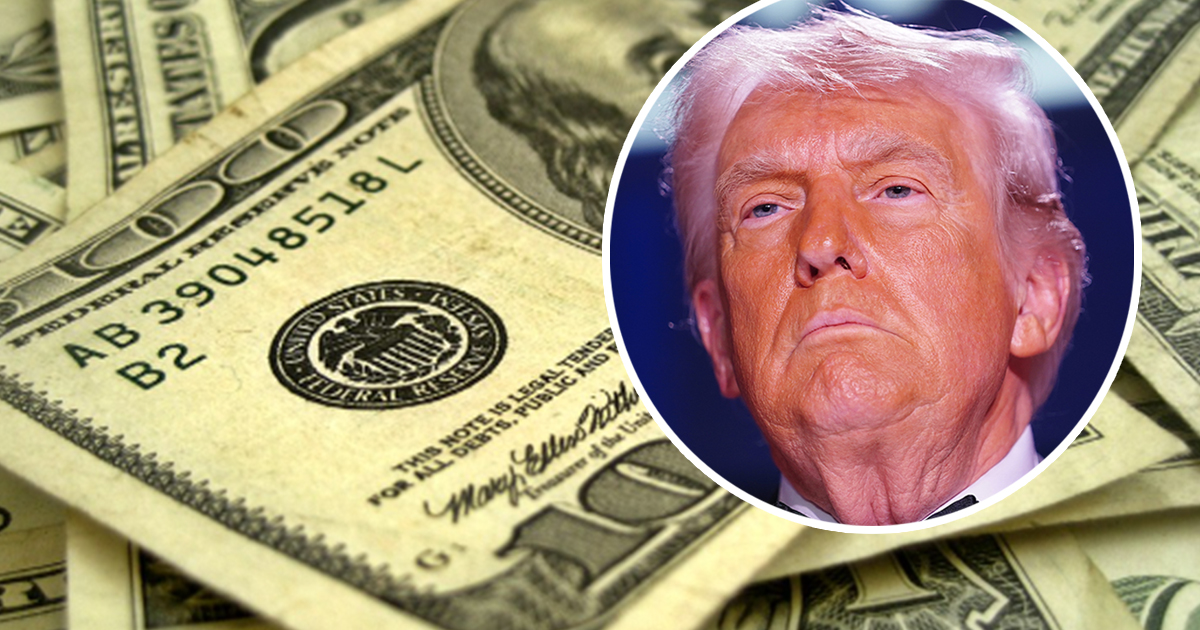
The promise of $2,000 checks for Americans is making headlines again — but don’t expect that money to arrive in your account anytime soon.
For months, Americans have been hearing about a possible $2,000 tariff rebate check. However, it still hasn’t materialized — and with court rulings, shifting timelines, and many unanswered questions, the uncertainty continues to grow.
The idea, floated by President Donald Trump, centers on so-called “tariff dividend” payments — money funded by revenue collected from tariffs on foreign goods.
“A dividend of at least $2000 a person (not including high income people!) will be paid to everyone,” Trump posted on Truth Social on Nov. 9.
The following day, Treasury Secretary Scott Bessent said he had not yet discussed the proposal with the president.
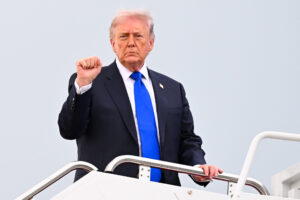
The president has revisited the idea multiple times since then. At one point, he suggested the funds could be distributed by mid-2026, before later adjusting that timeline. More recently, he even asked a reporter when he had supposedly made the promise.
According to AI-based projections analyzing Trump’s statements, the earliest possible timeline could fall between June and August 2026, VT reports. Even that, however, remains uncertain. As of now, there is no official payment date, no approved plan, and no checks scheduled.
Trump has repeatedly defended the concept, arguing that tariffs are generating significant revenue while supporting American industry.
But turning that idea into reality is another matter. At present, there is no law authorizing the payments, no finalized eligibility criteria, and — crucially — no approval from Congress. Without that, the proposal cannot move forward.
Then there is the cost. Estimates suggest sending $2,000 checks to eligible Americans could range from $300 billion to over $500 billion. Even with increased tariff revenue, experts say the figures currently do not align.
“Other sources”
In other words, while the idea has generated interest, it remains just that — an idea.
Still, some financial experts say it may be useful to think ahead. If payments were ever issued, placing the money in a high-yield savings account could generate additional returns, while using it to pay down high-interest debt could have a meaningful impact over time.
In an interview with The New York Times, Trump suggested the payments might not require congressional approval, saying he believes the money could come from “other sources.” He did not specify what those sources would be or how the plan would function.
During a January 20 press briefing, he reinforced that idea, hinting at an alternative path forward.
“We will be able to make a very substantial dividend to the people of our country. I believe we can do that without Congress,” he said.