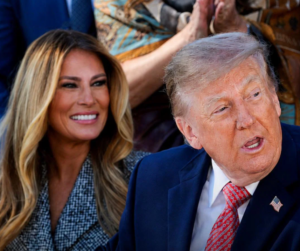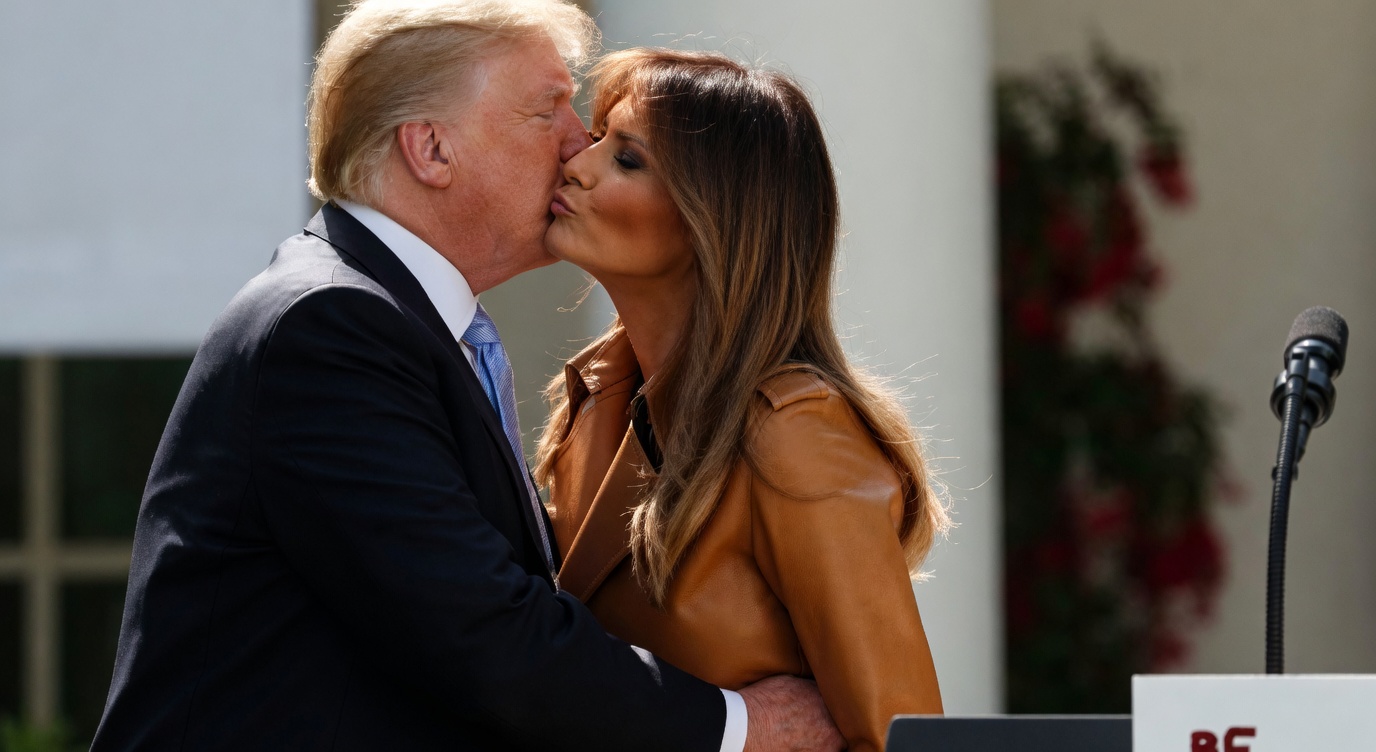
In May 2018, First Lady Melania Trump officially launched her signature public awareness initiative titled “Be Best.” The program was introduced in the White House Rose Garden during a formal announcement attended by officials, members of the media, and invited guests. It was presented as her primary platform during her time as First Lady of the United States. The initiative was designed to address issues affecting children’s well-being, particularly emotional health, online behavior, and awareness of substance abuse.
According to official White House statements, “Be Best” was built around the goal of promoting positive development in children. The initiative emphasized teaching young people social skills, emotional resilience, and responsible decision-making. Melania Trump stated during the launch that children should be encouraged to become the “best versions of themselves,” with a focus on kindness, respect, and healthy daily habits.
Core pillars of the initiative
The “Be Best” initiative was organized around three main pillars: well-being, online safety, and opioid abuse awareness. The first pillar focused on children’s physical and emotional health, encouraging balanced lifestyles and positive behavior, including mental health awareness and supportive environments at home and in schools.
The second pillar addressed digital safety, with particular attention to cyberbullying and responsible internet use. It highlighted concerns about how social media and online platforms can affect children and teenagers. The third pillar focused on the opioid crisis in the United States, aiming to raise awareness about addiction and its impact on families and communities.
Focus on child well-being and development
A key emphasis of “Be Best” was overall child well-being. The initiative encouraged parents, educators, and communities to take an active role in supporting healthy development. This included promoting emotional intelligence, respectful communication, and awareness of mental health challenges among young people.
The program also stressed the importance of early education in shaping long-term behavior. It encouraged adults to help children develop empathy, understand consequences, and build positive relationships. The initiative did not introduce new federal legislation but instead aimed to highlight and support existing efforts across the country.
Digital safety and cyberbullying awareness
One of the most discussed elements of “Be Best” was its focus on online safety. The initiative brought attention to the growing issue of cyberbullying, especially among children and teenagers using social media platforms. Melania Trump expressed concern about the emotional and psychological effects of online harassment and negative digital interactions.
As part of this effort, meetings were held with major technology companies, including Facebook, Google, and Twitter, to discuss ways to improve online safety for young users. The initiative encouraged responsible digital behavior and raised awareness of how online actions can affect real-world well-being.
Opioid crisis awareness efforts
The third pillar of “Be Best” addressed the opioid epidemic in the United States, which has impacted millions of families. The initiative aimed to raise awareness about addiction, prevention, and recovery support. It emphasized the importance of education and community-based programs in addressing substance abuse.
Melania Trump also visited hospitals, treatment centers, and recovery programs to better understand the challenges faced by individuals and families affected by addiction. These visits were intended to highlight the human impact of the crisis and encourage continued public attention.
Public response and early criticism
From its launch, “Be Best” received both support and criticism. Supporters viewed it as a traditional First Lady initiative, similar to past public awareness campaigns focused on children and families. They noted that such programs are often symbolic and intended to raise awareness rather than implement direct policy changes.
Critics, however, questioned the clarity and structure of the initiative. Some argued that it lacked measurable goals and clearly defined outcomes, making its overall effectiveness difficult to evaluate. Its broad scope also sparked debate about how well a single platform could address multiple complex issues.
Controversy surrounding messaging and perception
One widely discussed controversy involved the perceived contradiction between the initiative’s anti-cyberbullying message and the tone of political discourse on social media during the same period. Critics pointed to this as a point of public debate regarding consistency in messaging.
Despite this, supporters argued that the initiative should be viewed independently as a child-focused awareness campaign. They emphasized that First Lady platforms traditionally function as advocacy efforts rather than political tools, and that “Be Best” followed this established approach.
Engagement with organizations and institutions
Throughout its duration, the initiative involved collaboration with organizations working in child welfare, education, and health. These included schools, hospitals, advocacy groups, and nonprofit organizations. The goal was to amplify existing efforts rather than replace them.
Discussions with technology industry leaders also formed part of the outreach, focusing on improving digital safety standards and encouraging platforms to better protect younger users.
International and humanitarian focus
In 2018, Melania Trump also undertook international visits as part of her role, including trips to several African countries. During these visits, she focused on children’s education, health, and humanitarian development. These efforts were often linked thematically to the goals of “Be Best.”
The international aspect of her work was presented as an extension of the initiative’s focus on children’s welfare, highlighting shared global challenges such as access to education and child health services, along with humanitarian cooperation.
Long-term impact and public debate
Over time, “Be Best” became one of the most recognizable elements of Melania Trump’s tenure as First Lady. However, its long-term impact has been widely debated. Supporters view it as a meaningful awareness campaign, while critics argue that its outcomes were difficult to measure in concrete terms.
The initiative remains part of broader discussions about modern First Lady programs in the United States and is often compared to earlier initiatives focused on public health, children’s welfare, or social awareness.
In conclusion, the “Be Best” initiative combined advocacy, public awareness, and symbolic leadership within the role of the First Lady. It focused on three major areas: children’s well-being, digital safety, and opioid awareness. While it generated both praise and criticism, it also brought attention to issues affecting families across the United States.
Ultimately, “Be Best” continues to be part of the broader conversation about how public figures use their platforms to raise awareness and promote social responsibility. Its legacy is still discussed in relation to its goals, public reception, and place within the history of First Lady initiatives in the United States.