For most of us, food is about nourishment, taste, and enjoyment. But for millions around the world, a simple meal can turn deadly.
Would you eat something that could kill you? For most people, food is about nourishment, yet in many parts of the world, certain foods carry a real risk of death — and people still eat them. Here’s a look at 10 of the most dangerous foods on the planet and why they remain part of everyday diets.
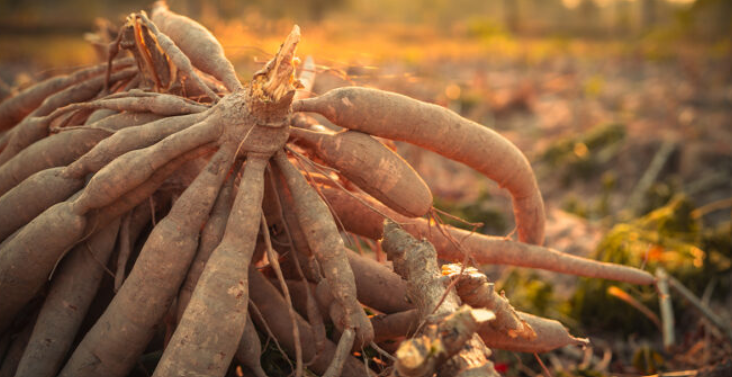
Cyanide-laced staple
Cassava may look like an ordinary tuber, but its roots and leaves contain cyanogenic glycosides, which break down into cyanide when eaten raw or improperly processed. This can cause cyanide poisoning, leading to goiters, paralysis, and even death.
According to the World Health Organization (WHO), cassava poisoning kills about 200 people each year, earning it the title of the “world’s deadliest food.”
Despite the risk, cassava is a lifeline for more than 800 million people in roughly 80 countries. It’s drought-resistant, easy to grow, and provides essential carbohydrates. When properly processed — soaked, fermented, dried, or boiled — its cyanide levels drop, making it safe. For many communities, it’s not a choice but a necessity.
Deadly delicacy
The Japanese delicacy fugu is made from pufferfish, which contains a toxin “200 times more deadly than cyanide,” BBC reports. Tetrodotoxin poisoning is described as “rapid and violent,” beginning with numbness around the mouth, followed by paralysis and, ultimately, death — all while the victim remains conscious. There is no antidote. Japan’s Ministry of Health reports around 50 poisonings a year, mostly among amateurs, with a few resulting in death.

Still, fugu remains a prized dish in Japan, often served as sashimi or in hot pots. Only highly trained, licensed chefs are allowed to prepare it, ensuring the toxic organs are removed. The slight tingling from trace toxins adds to its thrill, making it a sought‑after experience for adventurous diners.
Hidden neurotoxin
Starfruit contains neurotoxins that are harmless to most people but dangerous for those with kidney disease. In affected individuals, the toxin builds up, causing seizures, confusion, and even death. Symptoms can appear within hours, beginning with hiccups, vomiting, or weakness.
For those with healthy kidneys, starfruit is completely safe. The bright yellow, five‑pointed fruit is loved for its sweet‑tart flavor and high vitamin C content. WebMD notes that it’s rich in antioxidants and potassium, which may help lower the risk of heart attack or stroke.
Sweet treats with a deadly core
Cherry pits and apple seeds contain amygdalin, a compound that turns into cyanide when crushed or chewed. In large amounts, this can cause dizziness, nausea, breathing problems, and even death.
The fruit itself is safe, but the pits should never be broken open. Swallowing a whole pit won’t harm you — crushing them is the danger.
Toxic side dish
When potatoes turn green from light exposure, they produce chlorophyll — harmless on its own — but it signals the presence of solanine, a toxin. Healthline warns that solanine “can be toxic to humans in high doses,” though serious cases are rare.
Eating enough can cause paralysis or even coma.
Green potatoes are safe if peeled thoroughly. Discard any with a green tint or sprouting eyes to avoid toxicity.
Nutty by nature
Raw cashews contain urushiol, the same irritant found in poison ivy and poison oak.
“If you were to handle or consume cashews in their raw form, you would likely experience a reaction similar to poison ivy,” Healthline notes, including itchy, inflamed rashes and burning sensations.
Cashews sold as “raw” in stores have actually been heat‑treated to remove urushiol, making them safe. Fun fact: Mango skin also contains urushiol.
Not worth the trip
Nutmeg contains myristicin, a compound that affects the nervous system. In large doses, it can cause hallucinations, nausea, rapid heartbeat, and seizures. Just two teaspoons can trigger severe symptoms lasting days — and in some cases, psychosis lasting months.
Used sparingly, nutmeg adds warmth to desserts and drinks. But too much turns this holiday spice into a toxic trip.
Fatal fungi
Some wild mushrooms — like the death cap, which killed Pope Clement VII in 1534 — contain toxins that cause organ failure and death. Britannica notes that only a “few of the 70–80 poisonous mushroom species are actually fatal,” but many look nearly identical to edible varieties, making them especially dangerous.

You don’t need to avoid mushrooms entirely — just stick to store‑bought varieties unless you’re an expert.
Sweet but deadly
Rhubarb is beloved in pies and jams, but its leaves contain oxalic acid, a natural toxin that can cause kidney failure in large amounts.
The stalks are perfectly safe and delicious — just keep the leaves out of the kitchen and in the compost.
Deadly beans
Raw kidney beans contain phytohaemagglutinin, a toxin that causes severe vomiting and stomach cramps. Eating just a few undercooked beans can lead to poisoning.
Boiling kidney beans for at least 10 minutes destroys the toxin. But cooking them at low temperatures — like in a slow cooker — can actually increase toxicity, so proper boiling is essential.
Have you tried any of these dangerous dishes? Share the most risky thing you’ve eaten — and pass this along so others can weigh in too.