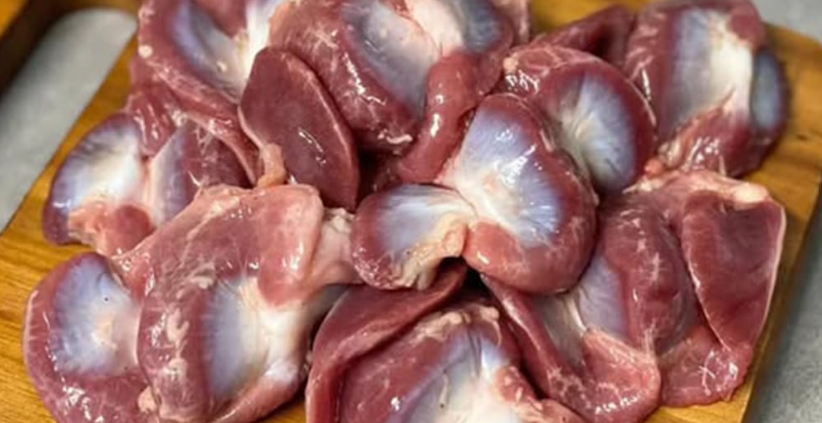
Chicken gizzards might just be the best‑kept secret in the food world.
They’re packed with nutrients, incredibly affordable, and surprisingly delicious when prepared properly. Yet many people overlook them simply because they fall under the category of “offal”—a term that unfairly makes them sound unappealing.
If you’ve never given chicken gizzards a chance, you’re missing out on a powerhouse of protein, vitamins, and minerals that can fuel your body without straining your budget. Here’s why these underrated gems deserve a permanent place on your plate.
What Exactly Is a Chicken Gizzard?
Think of the gizzard as a bird’s built‑in food processor. Since birds don’t have teeth, their food moves from the crop (a storage pouch) into the gizzard, which acts as a powerful grinder. Its thick, muscular walls crush seeds and grains, making digestion possible.
The result is a lean, flavorful cut of meat with a dense, chewy texture that becomes wonderfully tender when cooked the right way.
Why Chicken Gizzards Belong in Your Diet
- A Protein Powerhouse Gizzards are loaded with protein—about 20 grams per 3‑ounce serving. Whether you’re building muscle, staying active, or just trying to eat healthier, they’re an excellent (and inexpensive!) protein source.
- Low in Fat, High in Benefits Chicken gizzards are extremely lean, with under 3 grams of fat per serving. They’re ideal for anyone watching calories or aiming for a heart‑friendly diet.
- Packed With Essential Vitamins
- Vitamin B12: Supports nerve function, red blood cell production, and energy.
- Niacin: Boosts metabolism and supports heart and skin health.
- Choline: Important for brain function, liver health, and fetal development.
- Rich in Iron and Key Minerals Iron helps prevent anemia and keeps energy levels stable, while selenium and zinc strengthen the immune system and aid healing. Gizzards also provide vitamin C, riboflavin, magnesium, copper, and manganese.
- They’re Extremely Affordable With rising meat prices, gizzards remain one of the most budget‑friendly protein options available. A pound often costs just a few dollars—perfect for families, meal preppers, or anyone trying to eat well on a budget.
How to Cook Chicken Gizzards (Without Messing Them Up)
If you’ve never cooked gizzards before, don’t stress. They’re versatile, and with the right technique, they turn out delicious every time.
- Boil & Stew for Tender Perfection Gizzards can be tough, but a slow simmer makes them melt‑in‑your‑mouth soft. Boil for 30–45 minutes with salt, garlic, and spices, then add to soups or stews.
- Deep‑Fry for Crispy Goodness Coat gizzards in seasoned flour, fry until golden, and dip in your favorite sauce. They’re basically the ultimate bar snack.
- Sauté or Stir‑Fry for Quick Flavor Slice boiled gizzards and toss them in a hot pan with onions, peppers, and spices. It makes a high‑protein stir‑fry that pairs perfectly with rice or noodles.
- Grill for Smoky, Charred Flavor Marinate in soy sauce, garlic, and vinegar, then grill until smoky and tender. Serve with veggies or a dipping sauce.
- Slow‑Cook for Fall‑Apart Softness Add gizzards to a slow cooker with broth, herbs, and vegetables. The longer they cook, the softer they become.
Must‑Try Gizzard Recipes
- Gizzard Adobo: A Filipino classic simmered in soy sauce, vinegar, and garlic.
- Spicy Stir‑Fried Gizzards: Tossed with chili sauce and vegetables.
- Gizzard Soup: A hearty broth with tender gizzards and root vegetables.
- Gizzard Tacos: Crispy, spicy gizzards in warm tortillas with salsa and lime.
- Gizzard Salad: A protein‑packed salad with greens and a zesty dressing.
The Only Drawback? The Texture (But It’s Fixable!)
If you’re new to gizzards, the chewy texture might surprise you. But when cooked properly—boiled first, then fried, stewed, or grilled—they become tender and juicy.
As with any food, moderation matters. Gizzards contain cholesterol, so if you’re on a strict low‑cholesterol diet, enjoy them occasionally.
Are There Any Risks?
Research on gizzards specifically is limited. According to Medical News Today, some organ meats are high in saturated fat, but gizzards contain less than one gram of saturated fat per serving, making them unlikely to affect cholesterol or heart health.
Organ meats do contain purines, which can trigger gout attacks in people with gout, so they should be avoided in those cases.
If you eat a lot of poultry, including gizzards, consider choosing organic brands. Conventional poultry farming often uses antibiotics, and a diet high in such products may contribute to antibiotic‑resistant bacteria—an issue linked to thousands of deaths annually, as reported by The Guardian. Choosing organic helps reduce this risk.
Bottom Line: Give Gizzards a Chance!
If you want a high‑protein, nutrient‑dense, and budget‑friendly meat option, organic chicken gizzards are a fantastic choice. They’re easy to cook, incredibly versatile, and far too underrated.
Next time you’re at the store, grab a pack and try one of these cooking methods—you might discover your new favorite affordable protein.
Would you try chicken gizzards?