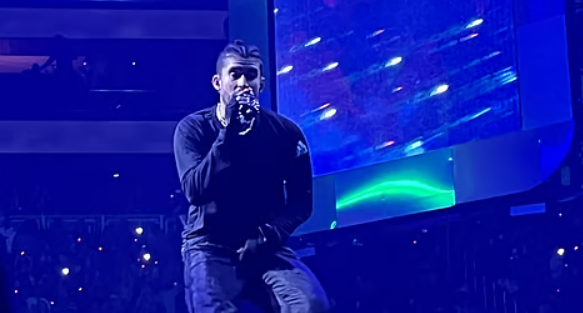
Bad Bunny may have delivered one of the most talked‑about Super Bowl halftime performances in recent years, but despite the global attention and cultural impact of the show, he will not be receiving a traditional performance fee for taking the stage. While this fact often surprises casual viewers, it is actually standard practice for Super Bowl halftime performers, regardless of their fame, influence, or commercial success.
The Super Bowl halftime show is one of the most‑watched live entertainment events in the world. It draws tens of millions of viewers in the United States and hundreds of millions globally through broadcasts, clips, and social media.
Yet unlike concerts, festivals, or private events, artists who headline the halftime show are not paid a salary for their performance. This long‑standing arrangement has sparked debate for years, especially when the performer is a global superstar like Bad Bunny, whose tours regularly generate massive revenue and sell out stadiums worldwide.
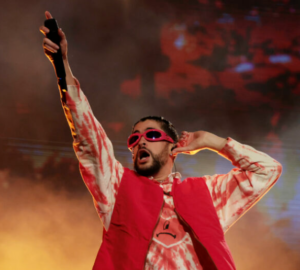
To many observers, it may seem counterintuitive that an artist capable of commanding millions per show would perform at one of the world’s largest events without direct payment.
The explanation lies in how the halftime show is structured and what it represents. Rather than being treated as a conventional concert, the performance is widely viewed as a promotional opportunity—albeit one on an unmatched scale.
The “Exposure” Argument
In the music industry, being paid in “exposure” is often criticized. Artists are frequently warned against accepting unpaid gigs with the promise that visibility will lead to future opportunities.
In most cases, that promise is unrealistic and unfair, especially for emerging musicians.
However, the Super Bowl halftime show exists in a category of its own. Its audience size, media coverage, and cultural reach are so vast that the exposure it provides is virtually unparalleled.
For many established artists, the halftime show functions as a career‑defining moment rather than a standard performance.
While Bad Bunny will not receive a direct paycheck, he also does not bear the financial burden of staging the show.
According to widely reported industry practices, the NFL covers production‑related expenses, including stage construction, lighting, sound, travel, and logistics. This ensures the artist is not financially disadvantaged by participating.
Sponsorship and Production Budgets
In recent years, the halftime show has been sponsored by Apple Music, which reportedly pays the NFL a significant annual fee for naming rights and brand integration.
While exact figures vary, sports business analysts report that Apple’s deal is worth tens of millions of dollars per year.
A substantial production budget is allocated to the halftime performance. Industry observers estimate that the budget typically reaches several million dollars, covering:
- Stage design
- Visual effects
- Dancers
- Security
- Technical crews
- Marketing
- Wages for thousands of temporary workers
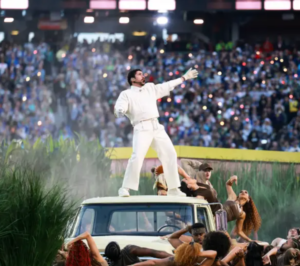
Importantly, this budget is not paid to the artist as income. Instead, it ensures the performer can deliver a high‑quality, visually striking show without financing it personally. Some artists even invest additional personal funds to elevate their creative vision.
Why Artists Agree to Perform Without Pay
The question many fans ask is simple: Why would a superstar perform for free?
The answer lies in the long‑term benefits that typically follow a Super Bowl halftime appearance.
Artists often experience a major boost in:
- Visibility
- Streaming numbers
- Album sales
- Tour ticket demand
The performance reaches not only dedicated fans but also casual viewers who may not actively follow the artist.
In the days and weeks after the Super Bowl, performers commonly see increased engagement across music platforms and social media. Songs featured during the show often re‑enter charts, while catalog streams surge as new listeners explore the artist’s work.
This trend has been observed repeatedly over the years.
The Career Impact of the Halftime Stage
For many performers, the Super Bowl halftime show represents a milestone that cements their status in popular culture. It is an opportunity to showcase artistic identity, cultural influence, and creative vision on a global stage.
Past performers have seen measurable increases in music consumption following their appearances. Streaming activity often spikes immediately after the event as viewers search for songs they heard or revisit the artist’s catalog.
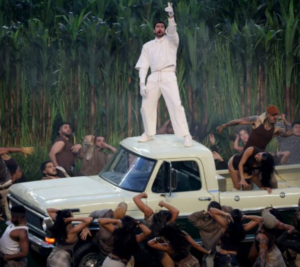
Tour announcements made before or after the Super Bowl often benefit from heightened interest, leading to faster ticket sales and increased demand.
Merchandise sales and brand partnerships can also see a boost as artists capitalize on renewed visibility.
Bad Bunny’s Momentum Leading Into the Super Bowl
Bad Bunny entered his halftime performance at a moment of peak global popularity. As one of the most streamed artists in the world, he consistently dominates charts across multiple countries and languages.
His influence extends beyond music into fashion, culture, and entertainment.
In the period leading up to the Super Bowl, interest in his work was already rising. Following high‑profile award show appearances and major wins, online searches related to his music and touring increased.
Social media engagement surged as well, with Bad Bunny gaining hundreds of thousands of new followers across platforms.
These metrics show how visibility around major events can amplify an artist’s reach even before the performance itself.
A Strategic Exchange, Not a Loss
While performing without pay may seem like a disadvantage, most artists view the halftime show as a strategic exchange. The value lies not in immediate compensation but in long‑term brand growth and cultural relevance.
The halftime show offers something few other platforms can: access to an audience that spans generations, demographics, and musical preferences.
For artists like Bad Bunny, whose appeal already crosses borders and cultures, the opportunity to connect with an even broader audience is significant.
It is also considered a professional honor. The NFL selects performers based on cultural impact, popularity, and ability to deliver a live spectacle. Being chosen places an artist among a select group who have shaped Super Bowl history.
The Broader Conversation About Compensation
The halftime show payment structure continues to spark discussion, especially as production costs rise and sponsorship deals grow.
Some critics argue that artists should receive direct compensation given the revenue generated by the Super Bowl.
Others counter that the current model remains mutually beneficial, as artists receive unparalleled exposure without financial risk.
For now, the NFL has maintained its long‑standing approach, and artists continue to accept the terms.
Conclusion
Bad Bunny’s Super Bowl halftime performance is a powerful example of how modern entertainment operates at the intersection of culture, business, and visibility.
While he may not receive a traditional paycheck, the performance delivers value in other ways—through global exposure, increased fan engagement, and long‑term career momentum.
The halftime show is not about immediate financial gain. It is about legacy, reach, and impact.
For artists at the top of their field, the opportunity to perform on one of the world’s largest stages can be worth far more than a single night’s fee.
As long as the Super Bowl remains a cultural centerpiece—and as long as artists continue to see tangible benefits—the halftime show will likely remain one of the rare exceptions where “exposure” truly carries measurable value.