These days, using someone’s preferred name and pronouns is one of the clearest ways to show respect and acknowledge their identity, whether they are straight, gay, or transgender.
However, not everyone follows this practice, often holding on to outdated norms or disregarding people’s gender identities altogether.
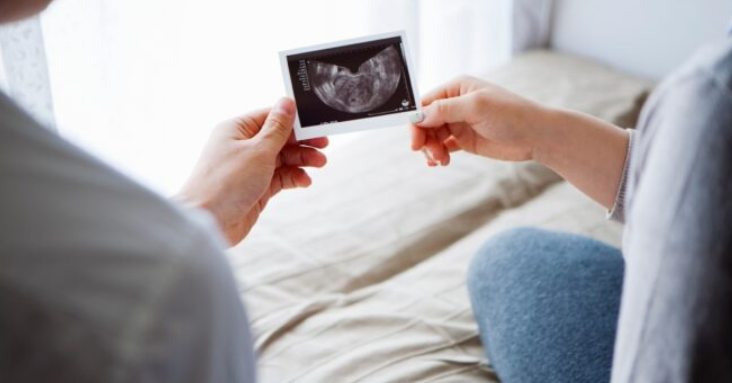
Bennett Kaspar‑Williams, 37, from Los Angeles, welcomed their son Hudson via cesarean in October 2020, supported by their husband, Malik.
Although Kaspar‑Williams identified as male and used he/him/his pronouns at the time (they now identify as non‑binary and use both he/him/his and they/them), they faced challenges at the hospital when nurses repeatedly misgendered them, referring to them as a mother instead of a father, according to the Daily Mail.
Kaspar‑Williams began transitioning in 2014 after realizing he was transgender in 2011. When the couple decided to start a family, they carefully considered their options — knowing Bennett would need to pause the testosterone therapy he had been on for years so his ovaries could resume functioning.
Although Bennett had undergone top surgery, he had not had any procedures on his lower body. After thoughtful reflection, he felt comfortable with the idea of carrying a child himself.
Once they began trying, Bennett became pregnant naturally soon after.
“We had only been trying a short while, so we expected the process to take longer than it did,” Bennett said.
But the timing was difficult.
“This was just about a week before we went into lockdown here in March 2020, so my high spirits were pretty quickly replaced by anxiety around the pandemic and how I would keep myself and my baby safe.”
Pregnancy and childbirth were both fulfilling and challenging for Kaspar‑Williams, who felt disheartened when medical staff assumed his gender and labeled him as a mother.
“The only thing that made me dysphoric about my pregnancy was the misgendering that happened to me when I was getting medical care for my pregnancy,” he said.
Even though Kaspar‑Williams clearly indicated his gender on medical forms, nurses continued to misgender him during interactions. After Hudson’s birth, he began advocating for the understanding that childbirth is no longer inherently tied to gender identity.
Expressing how distressing it was to be misgendered throughout childbirth, Kaspar‑Williams emphasized the need to separate womanhood from motherhood. He told the New York Post that it was painful to be repeatedly called “mom” despite marking “male” on his paperwork.
“The business of pregnancy — and yes, I say business, because the entire institution of pregnancy care in America is centered around selling this concept of ‘motherhood’ — is so intertwined with gender that it was hard to escape being misgendered,” Bennett said.
“No one can ever really know whether having children is possible until you try — being born with a uterus doesn’t make conceiving or carrying a certainty,” he added.
“That’s why it’s so important that we stop defining ‘womanhood’ in terms of ‘motherhood,’ because it’s a false equivalency that all women can become mothers, that all mothers carry their children, or that all people who carry children are mothers.”
Choosing to begin their pregnancy journey only after separating bodily functions from gender expectations, Kaspar‑Williams’ story highlights the complexities of identity and the importance of respecting how individuals define themselves.
What are your thoughts on this story? Share them in the comments.