Donald Trump promised Americans a $2,000 payout, which has grabbed a lot of attention. However, the timing of the payment is still uncertain. Experts now say that if the money is distributed, there’s an important step everyone should take once it hits their account.
Trump first mentioned the $2,000 check in November last year, calling it a “dividend” funded by tariffs.
“People that are against Tariffs are FOOLS!,” Trump wrote. “With Almost No Inflation, and A Record Stock Market Price. 401k’s are Highest EVER. We are taking in Trillions of Dollars and will soon begin paying down our ENORMOUS DEBT, $37 Trillion… A dividend of at least $2000 a person (not including high income people!) will be paid to everyone.”
However, financial experts warn the reality may be more complicated. Officials say the payments might not go to everyone.
Treasury Secretary Scott Bessent has said the rebate could be limited to households under a certain income level.
“Well, there are a lot of options here… that would be for families making less than, say, $100,000,” he said, adding that the plan is still under discussion. Because of this, experts recommend making sure income and tax information are current, as eligibility may depend on reported earnings.
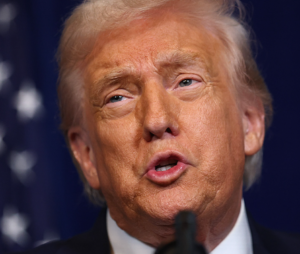
The $2,000 Dividend Checks
Analysts also caution that Americans shouldn’t expect a direct check in the mail. Bessent suggested the payout could take various forms, not just cash.
“The $2,000 dividend could come in lots of forms… it could be just the tax decreases that we are seeing on the president’s agenda… no tax on tips, no tax on overtime, no tax on Social Security,” he said.
This means people should pay attention to tax changes, as benefits might arrive through deductions rather than direct payments. Some experts also warn that revenue from tariffs may not cover checks for everyone. John Ricco, an analyst at the Budget Lab at Yale University, noted in November, “It’s clear that the revenue coming in would not be adequate.”
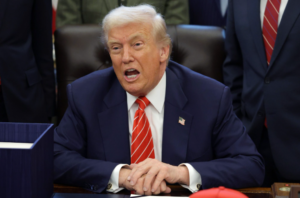
Even if the payments are uncertain, experts suggest Americans start thinking about how they would use the money.
What to Do if You Receive the $2,000
CNBC advises that one smart option is to deposit the money into a savings account that earns interest. High-yield savings and money market accounts currently offer about 4% annual interest.
For example, putting $2,000 into an account with 4% interest could earn roughly $80 in a year without extra effort. Adding $100 monthly could grow the balance to about $3,300 after a year, including around $100 in interest.
Experts also note that any payout would likely require Congressional approval. Since nothing is finalized, the best steps right now are to stay informed, keep tax records updated, and watch for official guidance on income limits or tax changes.
Until a final plan is approved, the $2,000 payment remains a proposal, and whether people receive it will depend on details still to be decided.
What would you do with an extra $2,000? Share your thoughts in the comments.