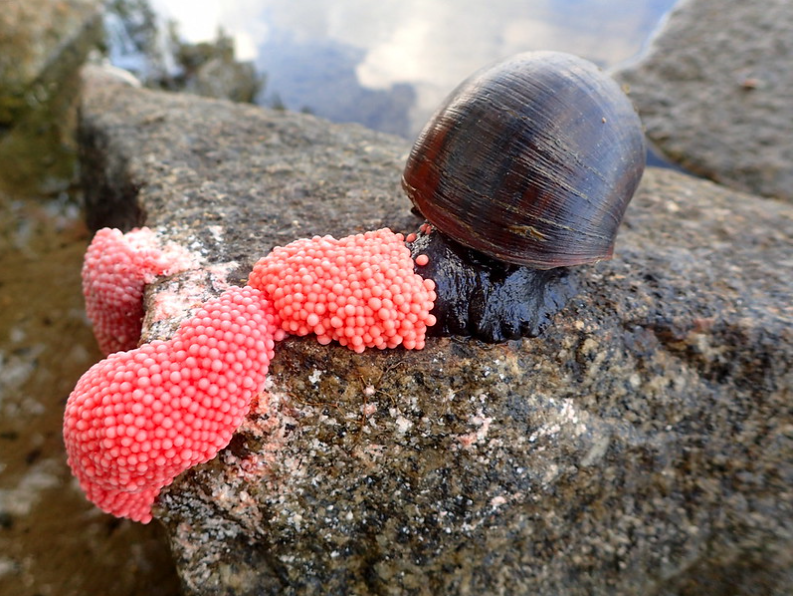
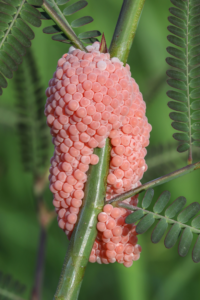
If you’ve noticed clusters of bright pink eggs in your garden, they might look harmless at first glance, but don’t be fooled.
These vibrant eggs belong to the invasive Apple Snail, a dangerous species that poses a major threat to local ecosystems.
Originally from South America, apple snails have spread worldwide, causing damage to plants, crops, and natural habitats. Keep reading to learn why these snails are a growing concern and how they can impact your environment.
Popular in Aquariums, but a Growing Pest
Apple snails are quite popular in aquariums, especially species like Pomacea bridgesii and Pomacea diffusa. People like them because, unlike most snails, they don’t eat the plants in the tank.
They are also popular in aquariums due to their unique appearance and size. Some species can even grow up to 6 inches (15 cm), about the size of a baseball or a human fist, making them one of the largest freshwater snails in the world.
Some people also call them mystery snails or spike-topped apple snails. They come in a variety of colors, including brown, albino, yellow, blue, purple, pink, and jade, and sometimes feature interesting banding patterns.
But while they’re a hit in the aquarium world, some Apple Snail species are actually considered pests in nature, where they can damage plants and crops. Interestingly, in some places, apple snails are even eaten and treated as a delicacy.
Why Are Apple Snails So Invasive?
Recognized as one of the 100 worst invasive species globally, apple snails have the potential to wreak havoc on local ecosystems, outcompeting native species and damaging aquatic habitats.
As global temperatures rise, apple snails have been able to migrate to regions where conditions are more favorable. They thrive in wet environments like ponds, lakes, and swamps, especially in warmer climates, and have even adapted to survive on land.
They’re well-suited to tropical regions where there’s a mix of dry and rainy seasons. These creatures even have the ability to move across land, using a special “lid” (the operculum) to seal their shells and avoid drying out while they wait out dry periods buried in the mud.
Irresponsible Aquarium Dumping
Apple snails are native to regions like South America, Central America, and the West Indies. However, when they spread beyond their natural habitats, they can cause significant environmental problems.
The introduction of apple snails to the United States is largely due to irresponsible aquarium dumping. Reported as early as the 1970s in Texas, they’ve since spread to numerous states. Louisiana documented their presence in 2006.
“The main idea is that they often get a little too large or maybe too abundant, and for whatever reason the aquarium owner decides they don’t want them anymore,” explains Bill Walton, a specialist at the Alabama Cooperative Extension System.
“So they decide to just release them into the waterways.”
From Culinary Ambition to Global Invasion
The apple snail problem isn’t new.
In the 1980s, a species of apple snail was introduced to Taiwan with hopes of launching an escargot industry. The goal was to provide alternative protein sources for farmers, who largely depended on rice for their livelihoods.
However, what seemed like a good idea turned into a disaster. Not only did the snails fail to become a popular food choice—at least not for the locals—they also brought with them an unpleasant surprise: a parasite known as Angiostrongylus cantonensis. This parasite can be dangerous to humans if the snails aren’t cooked properly, posing serious health risks.
To make matters worse, instead of helping local farmers, the snails began to threaten Taiwan’s rice crops and disrupt delicate ecosystems. As if that wasn’t enough, the snails spread rapidly across Asia and made their way to Hawaii, where they caused further damage to local agriculture and the environment.
In the United States, Apple Snail are considered a serious threat to agriculture, public health, and commerce, prompting calls for national quarantine measures.
The European Union banned the sale and release of all apple snails in 2012 to stop their rapid spread.
Apple Snail Eggs: What to Do If You Find Them
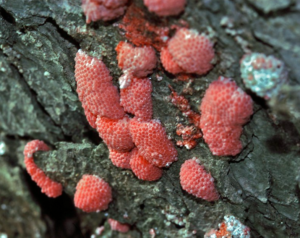
Apple snail eggs can look quite beautiful, with their bright, translucent pink or orange clusters that resemble small jewels glimmering in the sunlight. Did you know that each cluster contains between 500 and 700 eggs?
While they may be a stunning sight in your aquarium or pond, it’s important to remember that these colorful clusters can quickly lead to a snail infestation.
If you find apple snail eggs, it’s important to handle them carefully, as these snails can be harmful to aquatic ecosystems. Here’s what to do:
Don’t Touch with Bare Hands: Apple snails can carry parasites that may affect both humans and pets. Always wear gloves when handling them.
Remove the Eggs: Gently scrape the eggs off surfaces like plants, rocks, or tank walls using a plastic spatula or scraper. A soft brush can help if they’re stuck.
Dispose of the Eggs Safely: Place the eggs in a sealed plastic bag, crush them, and throw them in the trash. Don’t flush them, as this could spread them to other water systems.
Check for Snails: Inspect the area for any snails that may have hatched and remove them as well. Apple snails reproduce quickly, so it’s important to act fast.
What Kills Apple Snails?
If you’re a gardener, the thought of apple snails invading your garden can be unsettling. One of the best ways to deal with them is by removing their food, water, and shelter—forcing them to relocate.
Apple snails typically live in freshwater areas around your garden. Draining these water sources can significantly reduce their habitat. Once the water is drained, you can remove any remaining snails.
If you’re dealing with adult Apple Snail, one of the easiest ways to kill them is by freezing them. For a permanent solution, place them in the freezer at 0°C for about 12 hours.
If you want to temporarily sedate them (for easier handling), place them in the freezer at around 5°C for about 30 minutes. Afterward, dispose of them properly.
While dealing with adult snails helps, the most effective strategy is to target their next generation—those pesky pink eggs. Removing and destroying these eggs as soon as you spot them is key to preventing future invasions.
Conclusion
Dealing with apple snails can feel like an uphill battle, but with a little effort, you can protect your garden and prevent these invaders from spreading.
By removing their eggs and taking action against adult snails, you’ll help keep your plants safe and your water features under control. Remember, acting quickly is key and can make all the difference.
Apple snails may be beautiful, but they’re anything but harmless. Their rapid reproduction rate and ability to damage local ecosystems make them a serious threat to gardens and waterways.
By acting quickly to remove eggs, freeze snails, and manage your garden’s water sources, you can help protect your environment from these invasive pests.
Remember, staying vigilant and taking early action is the best defense against apple snails. Share this article to spread the word to your friends and family!