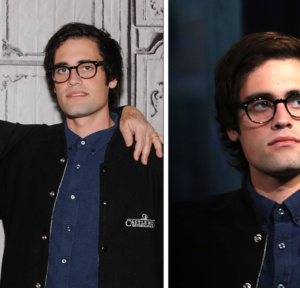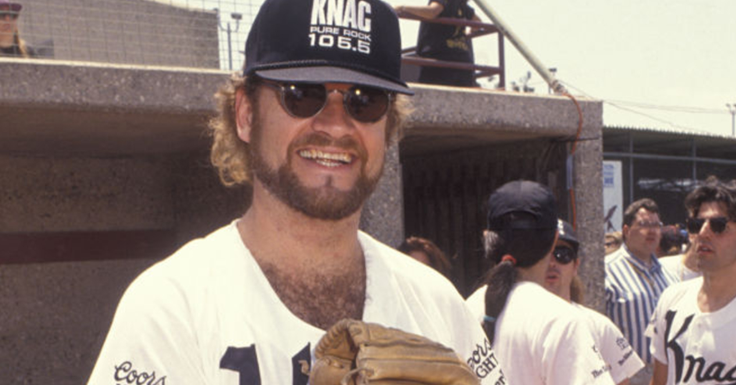
Some Hollywood legends rise to fame through opportunity, talent, or sheer luck. Others climb their way upward while carrying the weight of unimaginable loss. And then there are the rare few who do both — who shine brightly not because life was kind to them, but because they refused to let tragedy define their story. This is the journey of a beloved Hollywood icon who transformed heartbreak into resilience, despair into purpose, and pain into a life anchored in love and hope.
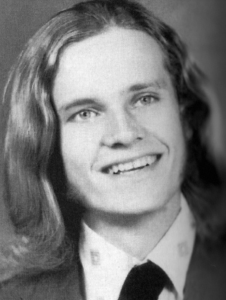
Born far from the glamour of Los Angeles, his early years were shaped by instability long before he ever stepped onto a stage. His parents’ marriage fractured when he was still a child, leaving him to be raised by his mother and grandparents. For many children, that alone would be a heavy emotional burden. But for him, it was only the beginning.
His grandfather — the man he adored and considered the most stable figure in his life — died when he was just twelve. The loss was devastating. It wasn’t just the death of a loved one; it was the loss of the one person who made him feel safe. The grief planted a seed of self‑doubt that would follow him for years. He later admitted that his grandfather’s declining patience in his final days made him believe something was wrong with him, a belief that clung to him long into adulthood.
But tragedy rarely travels alone.
Just one year later, at the age of thirteen, he received news no child should ever hear: his father had been murdered outside his home. The killer was found not guilty by reason of insanity, leaving the young boy with no sense of justice, no closure, and no way to understand why violence kept finding its way into his life. The trauma hardened him, but it also pushed him toward the arts — a place where he could channel emotions too heavy to carry alone.

As he grew older, he found solace in theater. He enrolled at Juilliard, determined to build a future that looked nothing like his past. But even there, tragedy followed. At just twenty years old, he received the phone call that shattered him: his younger sister had been kidnapped, assaulted, and murdered. The grief was so overwhelming that he blamed himself, even though he was hundreds of miles away. It was an irrational guilt, but grief rarely behaves rationally.
The man responsible was convicted of multiple murders, yet the pain didn’t end with the trial. For decades, the actor faced parole hearings, each one reopening wounds he had tried desperately to heal. In one emotional confrontation, he told the killer that he forgave him — not because the pain had faded, but because forgiveness was the only way to keep his heart from collapsing under the weight of hatred.
But life wasn’t done testing him.
In 1980, two of his half‑brothers died in a tragic scuba‑diving accident. One never resurfaced; the other died trying to save him. Their deaths pushed him into a spiral of grief and self‑destruction. He turned to alcohol and drugs, trying to numb the pain that had followed him since childhood. For years, he battled addiction, admitting later that he drank to escape the memories he couldn’t bear to face.
And yet, even in the darkest moments, something inside him refused to give up.
He eventually sought help, got sober, and rebuilt his life piece by piece. Sobriety didn’t erase the tragedies, but it gave him the clarity to understand them — and the strength to rise above them. He began to see his story not as a series of losses, but as a testament to survival.
Professionally, he soared. His portrayal of a charming, witty psychiatrist on one of America’s most beloved sitcoms turned him into a household name. The role earned him multiple Emmy Awards and cemented his place in television history. Audiences saw the humor, the intelligence, the warmth — never knowing how much pain lived behind the smile.
But perhaps the most remarkable part of his journey wasn’t his career. It was his capacity to love.
Despite his fear of abandonment — a fear rooted in losing nearly everyone he had ever loved — he eventually found a partner who helped heal the wounds of his past. Their connection was immediate, their bond undeniable. She brought light into his life at a time when he had nearly given up on love altogether. Together, they built a family that became his greatest source of joy.
He became a devoted father, determined to give his children the stability he never had. He taught them compassion, forgiveness, and the importance of choosing hope even when life feels unbearable. He encouraged them to pursue their passions, and many followed him into the world of entertainment.

Today, he speaks openly about his past — not for sympathy, but to remind others that tragedy does not have to define a person’s future. He believes deeply in the power of faith, forgiveness, and resilience. He knows that life can be cruel, but he also knows that love can be stronger.
His story is not just one of survival. It is one of transformation.
It shows us that even when life breaks us, we can rebuild. Even when darkness surrounds us, we can choose light. And even when tragedy threatens to harden our hearts, we can still choose love.
This Hollywood icon’s journey is a powerful reminder that hope is not the absence of pain — it is the courage to keep going despite it.