In today’s era—dominated by flash‑freezing technology, rapid grocery delivery, and convenience‑driven diets—we have largely distanced ourselves from the deliberate, rhythmic, seasonal logic that shaped traditional kitchens for generations. Modern cooking often prioritizes speed over patience.
For those who grew up learning from a grandmother with a sharp knife and a well‑ventilated porch, the term “dried beef” carries a specific, tangible weight. It is not merely a snack but a culinary tradition deeply rooted in survival.
Across regions and families, this preserved meat may be called jerky, sun‑dried beef, or simply “meat on the rack.” Despite the different names, it reflects a method that predates refrigeration and embodies centuries of practical food‑preservation knowledge.
The appeal of dried beef lies in its concentrated flavor and texture. By removing moisture and infusing seasoning, the process transforms ordinary cuts into something intensely savory, resilient, and highly portable for everyday or emergency use. Historically, this preparation was essential for food security. Families relied on it to ensure protein availability throughout the year, especially during winter months when fresh meat was scarce in rural communities.
While terminology varies, the core technique remains the same. This report explores the traditional, time‑honored method of turning lean protein into a versatile staple that fits as naturally in a hiker’s pack as it does in a simmering pot of beans.
The foundation of quality dried beef begins with sourcing. Lean cuts are essential. Fat is the primary enemy of preservation, as it oxidizes and turns rancid, compromising both flavor and longevity.
Recommended cuts include round, flank, or sirloin—naturally lean, with uniform muscle fibers that respond well to curing and drying. Avoid marbled or fatty cuts, which reduce shelf stability.
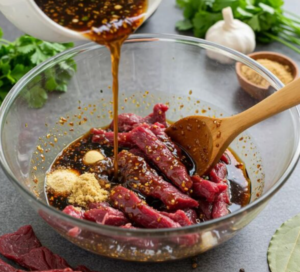
Seasoning choice is equally important. A simple mix of coarse salt, black pepper, and garlic provides both preservation and flavor, while paprika, cumin, or coriander can add regional character. A touch of vinegar or lemon introduces acidity for additional preservation.
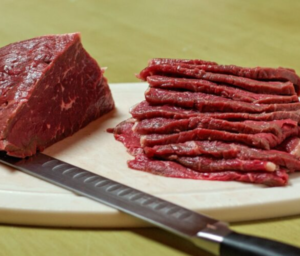
Precision in preparation is crucial. The knife is the primary tool for achieving consistent slices. Fat must be carefully trimmed, and pieces cut to uniform thickness to ensure even drying and prevent under‑dried or overly chewy sections.
Slicing direction also affects texture. Cutting with the grain yields a tougher, traditional chew reminiscent of old‑fashioned sun‑dried beef. Cutting against the grain produces a more tender bite, suitable for modern tastes or casual snacking.
Once trimmed and sliced, the curing phase begins. Salt, spices, and acidic components are thoroughly rubbed into every fiber. This is more than seasoning—it is a transformative process that draws out moisture and infuses flavor throughout the meat.
After applying the cure, the meat is placed in a covered container and refrigerated for 12 to 24 hours. This allows the salt to penetrate deeply, creating a firm texture while reducing the risk of microbial growth during drying.
The drying process can be approached in several ways. Traditional air‑drying, oven drying, and modern dehydrators each produce distinct results, though all aim to reduce moisture while preserving flavor and structure.
For traditional air‑drying, the meat is hung in a clean, dry, well‑ventilated space. It may take days to reach optimal dryness, requiring careful monitoring to avoid pests or environmental moisture.
The oven method is practical for modern kitchens. Low temperatures—around 70–80°C (160–175°F)—allow moisture to escape gradually. Keeping the oven door slightly open maintains airflow, with drying typically taking 4 to 6 hours.
Dehydrators offer controlled conditions, usually set to 65–70°C (150–160°F). These devices remove moisture evenly, often producing a product that is firm yet pliable—able to bend without snapping, a hallmark of perfectly dried beef.
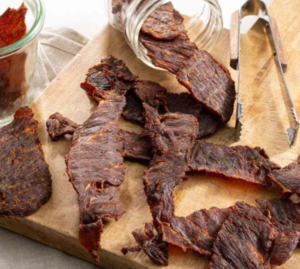
Regardless of method, spacing is essential. Slices must not touch, allowing air to circulate freely. Crowding slows drying and increases the risk of spoilage or uneven texture.
Once dried, the meat must cool completely before storage. Sealing it while warm traps residual heat and moisture, creating conditions for bacterial growth. Proper cooling ensures a shelf‑stable product with extended longevity.
Storage conditions significantly affect quality. Airtight containers kept in a cool, dark place maintain texture and flavor. Refrigeration or freezing further extends shelf life and prevents oxidation.
Serving dried beef is as versatile as its preparation. Historically, it was added to beans, eggs, or stews, providing protein, flavor, and sustenance—reflecting the practical ingenuity of earlier kitchens.
Today, dried beef serves as a high‑protein snack, portable energy source, or ingredient in gourmet dishes. Its concentrated flavor adds depth, balancing richness with savory umami.
Regional variations influence seasoning and technique. Some areas favor paprika, chili, or aromatic herbs, while others rely on simplicity, reflecting resource availability and cultural tradition.
Dried beef offers health benefits: high protein, low fat (when trimmed properly), and minimal additives compared with modern processed snacks. Its preserved flavor and lean profile make it ideal for active lifestyles.
Traditional preparation also encourages mindfulness. The process requires patience, attention to detail, and respect for food—qualities often lost in today’s fast‑paced, convenience‑driven kitchens.
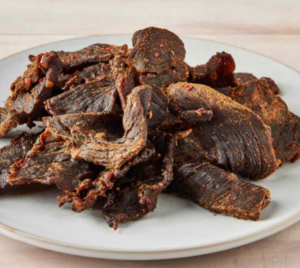
Its cultural significance is profound. For many families, making dried beef is a ritual that connects generations. Stories, techniques, and shared labor preserve culinary heritage and reinforce family bonds.
Modern adaptations incorporate new technologies. Electric dehydrators and low‑temperature ovens replicate sun‑drying results in controlled environments, allowing cooks to honor tradition while embracing convenience and safety.
Safety remains essential. Proper handling of raw meat, hygienic practices, and careful monitoring of temperature and airflow prevent contamination and spoilage.
Flavor continues to develop during drying. Salt and spices penetrate the fibers, while natural enzymatic processes enhance savory depth.
The result is a layered taste experience, where concentrated beef notes blend with aromatic undertones from the chosen seasoning.
Dried beef exemplifies sustainable food practices. By preserving meat without refrigeration, households historically minimized waste, optimized protein use, and adapted to seasonal availability—an environmentally mindful approach long before modern sustainability movements.
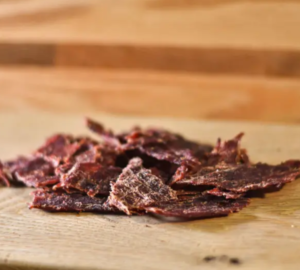
Culinary creativity thrives in its use. Beyond snacking, dried beef can enrich soups, stir‑fries, pasta, and rice dishes, allowing traditional methods to coexist with modern cooking.
For outdoor enthusiasts, dried beef remains invaluable. Its portability, long shelf life, and concentrated nutrition make it ideal for hikers, campers, and survivalists, preserving the historical utility that inspired its creation.
Presentation matters as well. Uniform slices, balanced seasoning, and consistent drying create a visually appealing product that reflects the care invested in its preparation.
Community knowledge and skill transfer are vital. Techniques passed down through practice ensure methods remain precise, effective, and culturally authentic.
Spice choices allow personalization. Families historically adjusted ingredients based on taste, availability, or regional tradition, resulting in countless subtle variations on the core method.
Modern culinary education recognizes dried beef as both a preservation technique and a flavor enhancer. Chefs use it to teach principles of curing, moisture management, and flavor layering, bridging historical methods with contemporary gastronomy.
Dried beef’s global counterparts highlight culinary universality. Similar methods exist across Asia, Africa, and the Americas, reflecting shared human ingenuity in preserving protein across cultures and climates.
Technological advances ensure consistency. Thermometers, calibrated dehydrators, and airflow management allow even beginners to replicate results once limited to expert hands, bringing the art of dried beef preparation into modern kitchens worldwide.
Historical context enriches appreciation. Before refrigeration, preserving meat through salting and drying ensured survival during winter months, long journeys, and periods of scarcity, making dried beef not just a food but a tool of resilience and strategy.
Dried beef also fosters culinary storytelling. Sharing a slice evokes history, memory, and technique, allowing consumers to experience a tangible connection to previous generations—their ingenuity and their daily realities—offering more than mere sustenance.
The process itself encourages deliberate action. From trimming and slicing to seasoning and drying, each step requires attention and patience, teaching respect for raw ingredients and the transformation process, countering the instant‑gratification culture of contemporary kitchens.
The final product embodies complexity. Firm yet pliable texture, concentrated umami, balanced seasoning, and visual appeal come together to create a food that is practical, flavorful, and a symbol of culinary tradition enduring in the modern era.
In conclusion, dried beef represents a culinary bridge across time. Its preservation techniques, cultural significance, nutritional value, and adaptability make it relevant for both historical appreciation and modern practical use, honoring tradition within a contemporary context.