Cillian Murphy has used his platform to draw attention to one of Ireland’s most painful historical injustices: the Magdalene laundries. These institutions, which operated for decades, became symbols of systemic abuse, enforced silence, and the suffering endured by vulnerable women who were often marginalized and forgotten by society.
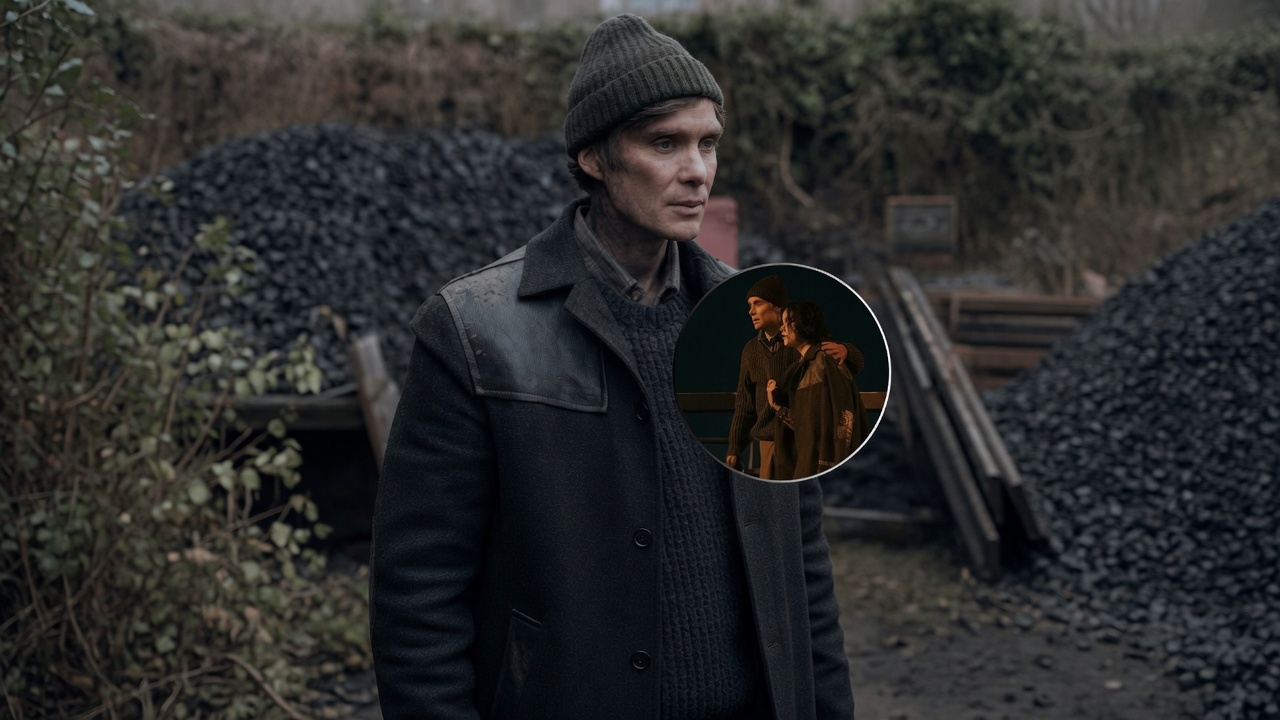
Murphy reflected on the importance of confronting such history through storytelling, particularly after producing and starring in Small Things Like These, a film that revisits the emotional and moral weight of Ireland’s past. The project centers on ordinary people who are forced to witness injustice and decide whether to remain silent or take action. For Murphy, the film became more than a creative undertaking — it became a way of engaging with a national trauma that remains deeply felt today.
In interviews, Murphy emphasized that Ireland continues to process the legacy of the Magdalene laundries, describing it as a form of “collective trauma” that has not fully healed. He noted that telling these stories is not about reopening old wounds for dramatic effect, but about acknowledging truth and ensuring that silence is no longer used to shield harmful systems or behaviors.
The emotional core of the project reflects Murphy’s belief that art can play a role in historical reflection and accountability. By bringing attention to stories that were once hidden or ignored, he aims to honor the women who suffered and encourage a broader public conversation about justice, memory, and responsibility.
After achieving international acclaim and earning some of the highest honors in film, Murphy’s decision to focus on a subject of this nature signals a deliberate shift in priorities. Rather than pursuing purely commercial or glamorous roles, he chose to engage with material that carries emotional and social significance.
His work on the film has been widely interpreted as a statement of solidarity with those whose voices were previously suppressed. It underscores a commitment to ensuring that difficult parts of history are not forgotten, even when they are uncomfortable to confront.
Through this project, Cillian Murphy positions storytelling as a form of witness — a way to give presence to those who were once rendered invisible. His stance reflects a broader belief that acknowledging painful history is essential to preventing its repetition, and that once silence is broken, it becomes a step toward understanding and healing.