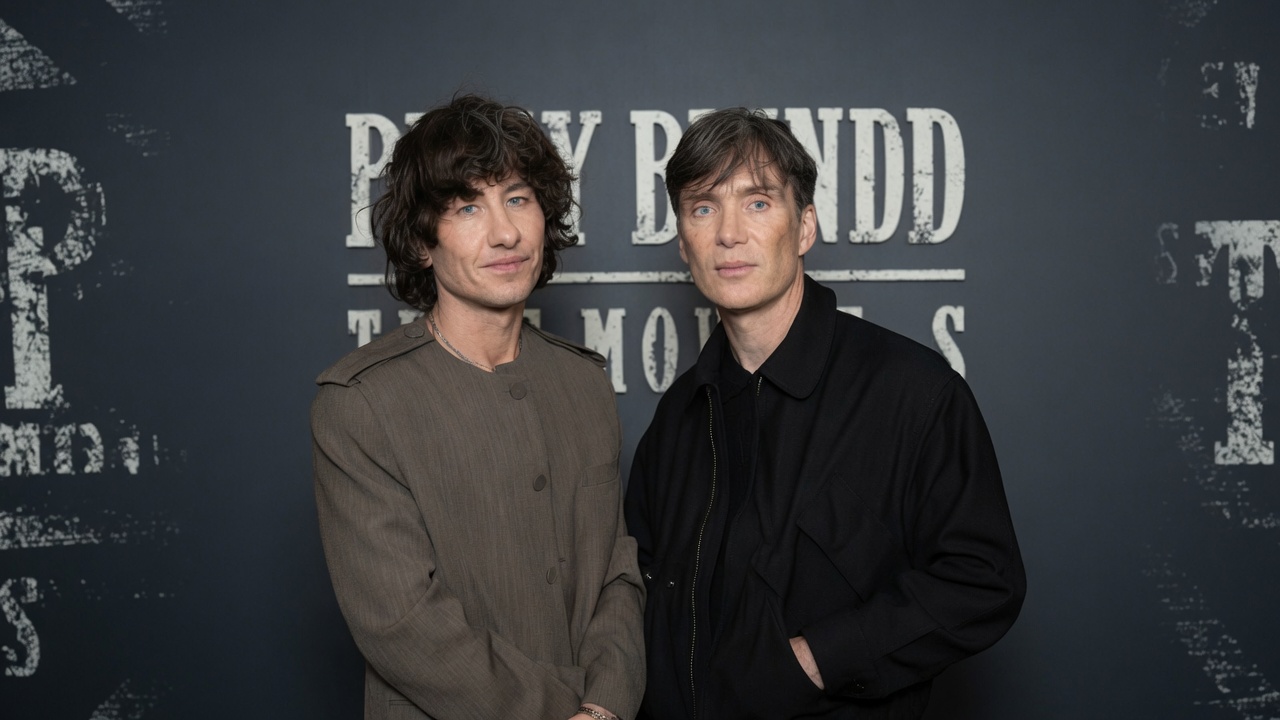
Barry Keoghan has spoken about the intense pressure of stepping into the Peaky Blinders universe alongside Cillian Murphy, describing the experience as both an artistic opportunity and a psychological challenge. Joining a world already shaped by years of storytelling, iconic performances, and a fiercely loyal fanbase, Keoghan entered a production environment where expectations were exceptionally high before filming even began.
According to Keoghan, the Shelby name carries a cultural weight that extends far beyond the screen. Peaky Blinders has grown into a global phenomenon, with Tommy Shelby — played by Murphy — becoming one of television’s most recognizable and fiercely protected characters. For Keoghan, stepping into that world meant not only delivering a strong performance, but also honoring a legacy that fans deeply identify with and defend.
He has described acting opposite Murphy as particularly intense, noting that the presence and precision Murphy brings to Tommy Shelby makes every scene feel heightened. Rather than treating it as a typical co‑star dynamic, Keoghan viewed it as entering a world already fully formed, where every interaction carries narrative history and emotional expectation.
The pressure, he explained, wasn’t just about performance quality, but about fitting into a mythology that audiences have spent years investing in. In that sense, Peaky Blinders is more than a television series — it is a cultural identity for many viewers. That reality created a unique challenge for Keoghan, who had to balance his own creative instincts with the responsibility of joining a story that already meant so much to its audience.
Despite the weight of expectation, Keoghan has also acknowledged the opportunity that came with working alongside Murphy, whose portrayal of Tommy Shelby has defined the emotional core of the series. Murphy’s commitment to the role and the world around it reportedly influenced the tone on set, pushing Keoghan to match the intensity and unpredictability the story demands.
Industry reports and interviews have noted that Murphy himself supported Keoghan’s casting, valuing the younger actor’s ability to bring vulnerability and unpredictability to the role he was given. That dynamic added another layer to their collaboration, blending established legacy with new energy.
Ultimately, Keoghan’s reflection highlights the unique challenge of joining an already iconic franchise. Unlike original productions where actors help build a world from the ground up, Peaky Blinders requires newcomers to step into an established identity and contribute without disrupting its balance.
For Keoghan, that meant navigating not just a role, but an entire legacy shaped by Cillian Murphy’s defining performance. And in doing so, he underscored the rare experience of entering a story where the weight of history is felt in every scene, every exchange, and every moment shared on screen.