Alan Osmond, widely recognized as a founding force behind The Osmonds, holds a unique place in the history of American entertainment. Born on June 22, 1949, in Ogden, Utah, Alan grew up in a large family where music was more than just a pastime—it was a way of life. As the oldest performing brother among the Osmond children, he naturally took on a leadership role early on, guiding his siblings through the demanding world of show business.
His early exposure to performance and discipline later became the foundation for the group’s remarkable success. Even as a young boy, Alan showed a strong sense of responsibility, helping organize rehearsals and encouraging his brothers to aim for excellence. These early experiences shaped not only his career but also the identity of the Osmond family as a whole. Over time, his leadership proved to be one of the key elements behind the group’s rise to international fame.
The Osmond family’s journey into the spotlight began with modest performances that quickly grew into professional opportunities. Alan, alongside his brothers Wayne, Merrill, and Jay, initially performed as a barbershop-style quartet, captivating audiences with their harmonies and stage presence. Their talent eventually led to appearances on The Andy Williams Show, a turning point that introduced them to a national audience.
Alan played a crucial role in keeping the group prepared, often taking charge of rehearsals and logistics. His ability to maintain structure and discipline allowed the group to meet the high expectations of live television. These early appearances not only boosted their popularity but also opened doors to larger opportunities in music and entertainment. Alan’s influence during this formative period cannot be overstated, as he helped transform a family act into a professional enterprise.
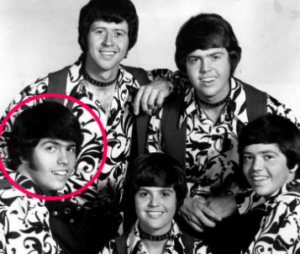
As the group evolved, younger members joined, expanding both their sound and their appeal. Donny Osmond became one of the most recognizable faces of the group, while Marie Osmond later carved out her own successful path in entertainment. Despite the growing fame of individual members, Alan remained a steady presence behind the scenes, ensuring the group stayed cohesive and focused.
He was instrumental in shaping their musical direction, encouraging experimentation while preserving the wholesome image audiences had come to love. This balance helped The Osmonds remain relevant during a rapidly changing music industry. Alan’s leadership ensured that each member had the opportunity to shine while still contributing to the group’s collective success. His role as both performer and organizer made him indispensable to the Osmond legacy.
During the height of their popularity in the late 1960s and 1970s, The Osmonds became known for their professionalism and precision. They earned the nickname “One Take Osmonds,” reflecting their ability to deliver near-perfect performances under strict time constraints. This reputation was largely due to Alan’s insistence on preparation and discipline. Child labor laws limited their working hours, meaning rehearsals had to be efficient and focused.
Alan often stressed the importance of practice, pushing his brothers to perfect routines before stepping on stage. This approach not only improved their performances but also set them apart from other acts of the time. Their dedication paid off, as they became one of the most successful family groups in music history. Alan’s commitment to excellence played a major role in reaching that level of success.
In addition to performing, Alan contributed significantly to the group’s creative work. He co-wrote and helped develop several of their most notable songs, including “One Bad Apple,” which reached the top of the charts. Another standout track, “Crazy Horses,” showcased a more experimental side of the group, addressing themes uncommon in their earlier work.
Alan’s willingness to explore new ideas helped expand their musical identity beyond traditional pop. His contributions behind the scenes were just as important as his stage performances. By taking an active role in songwriting and production, he ensured The Osmonds remained innovative and competitive. This creative involvement demonstrated his versatility and deep understanding of the music industry. His influence can still be heard in the group’s lasting catalog of songs.
Despite his professional achievements, Alan faced significant personal challenges throughout his life. In 1987, he was diagnosed with multiple sclerosis, a condition affecting the central nervous system. The diagnosis marked a turning point, requiring him to adapt to new physical limitations while continuing to support his family and career. Alan met this challenge with resilience and determination, refusing to let the illness define him.
Over time, he gradually reduced his involvement in live performances, focusing instead on other areas of life. His ability to remain positive and engaged despite these difficulties has inspired many. Alan’s journey with multiple sclerosis highlights his strength and perseverance in the face of adversity. It also underscores the importance of adaptability and inner resolve.
Outside of music, Alan has remained deeply committed to his faith and personal values. As a member of The Church of Jesus Christ of Latter-day Saints, he has often spoken about the role of spirituality in his life. His beliefs have guided both his personal and professional decisions, shaping the values that define the Osmond family.
In addition to his religious commitments, Alan also served in the California Army National Guard during the late 1960s. Stationed at Fort Ord, he worked as a clerk, showing dedication to service and discipline. His military experience reinforced the principles that had guided him since childhood. These experiences contributed to his reputation as a grounded and responsible individual. Alan’s life reflects a balance between public success and personal integrity.
Family has always been at the center of Alan Osmond’s life. In 1974, he married Suzanne Pinegar, and together they built a large and close-knit family. The couple raised eight sons, emphasizing the same values of unity, faith, and hard work that defined Alan’s upbringing. Over the years, their family has grown to include many grandchildren, creating a legacy that extends beyond music.
Alan has often expressed pride in his roles as husband, father, and grandfather. His commitment to family life has remained steady even through professional success and personal challenges. This dedication has helped preserve the strong bonds that define the Osmond family. His personal life stands as a testament to staying grounded and connected to loved ones.
Alan Osmond’s impact on the entertainment industry extends far beyond his years on stage. As a leader, performer, and creative force, he helped shape the identity of one of the most successful family groups in history. His contributions continue to influence new generations of artists and entertainers. Even as the music industry evolves, the legacy of The Osmonds remains relevant, largely thanks to Alan’s vision and dedication.
His story is one of perseverance, innovation, and commitment to both craft and family. While he may no longer perform regularly, his influence is still evident in the ongoing success of his siblings and the enduring popularity of their music. Alan Osmond’s legacy is not defined by a single achievement but by a lifetime of contributions that have left a lasting mark on the world of entertainment.