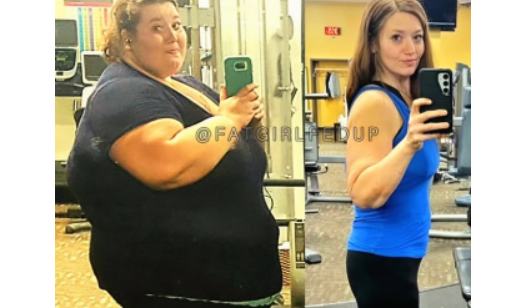
Once unable to walk even a quarter mile, Lexi Reed has undergone an extraordinary transformation. She reclaimed her health, survived a rare and terrifying disease, and now shares her journey to inspire self‑love, resilience, and recovery.
At 24, Reed weighed 485 pounds. Even short walks were agonizing. Stairs felt impossible, and everyday activities — riding roller coasters, fitting into airplane seats, going canoeing — were often unsafe or simply out of reach because of her size.
Before her recovery, Reed struggled emotionally as much as physically. Watching loved ones enjoy experiences she couldn’t join left her feeling trapped. “I felt like a prisoner in my own body,” she recalls, longing for a freedom she didn’t yet have.
In 2016, a single New Year’s resolution marked the beginning of her reluctant fitness journey. She and her husband committed to one month without fast food, soda, alcohol, or cheat meals — a reset meant to break habits that had shaped their lives.
Fitness was unfamiliar territory. A friend helped her build a routine, guiding her through workouts five days a week. The early sessions were grueling, but small victories slowly built her confidence and stamina.
Her diet shifted gradually. She swapped greasy fast food for lettuce‑wrapped tacos, traded traditional pizza for cauliflower crust, and chose sweet potatoes instead of fries — changes that allowed her to enjoy meals without feeling deprived.
Meal planning became essential. By focusing on high‑protein, low‑carb meals, she learned balance was possible. She even kept one weekly treat meal — often Chinese takeout — which helped her stay consistent without burning out.
Exercise was initially painful and embarrassing. Joint pain made every movement difficult. She started with thirty minutes on the elliptical, and week by week, her stamina grew. Each improvement — walking farther, climbing stairs, fitting into spaces she once avoided — became a milestone. The gym shifted from a place of punishment to a source of empowerment.
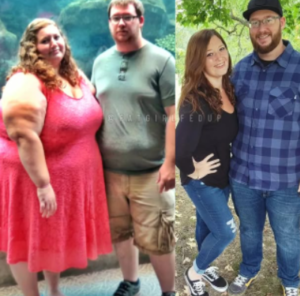
Her routine eventually expanded to include cardio, strength training, walking, biking, Zumba, running, and canoeing. Variety kept her motivated and helped her body recover from years of inactivity.
Alongside her physical transformation, Reed built a supportive community. She documented her journey on Instagram, connected with others pursuing similar goals, and eventually led group challenges that fostered accountability and shared motivation.
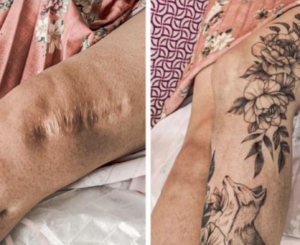
Then, in early 2022, her health took a sudden and life‑threatening turn. Reed became severely ill and couldn’t keep food down. Her husband rushed her to the hospital, where she was admitted to the ICU, placed in a medically induced coma, and put on a ventilator. Doctors warned that delayed care could have been fatal. She was diagnosed with calciphylaxis — a rare condition involving calcium buildup in small blood vessels that can cause severe skin damage and become life‑threatening.
The disease was especially rare for someone outside typical high‑risk groups. Reed faced more than thirty open wounds, dialysis, immobility, and months of painful recovery. Her focus shifted from weight loss to survival.
For months, her only goal was regaining strength. Swimming — once a dream — was impossible. Even small movements required patience, planning, and medical guidance.
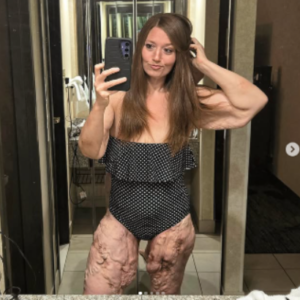
Physical therapy became crucial. Slowly, she regained mobility. She celebrated every small victory: standing longer, walking farther, reclaiming basic independence. Her scars became part of her story — not something to hide, but proof of survival. Her post titled “Scars, Skin, Self Love & Swimsuits” reflected both physical healing and emotional courage.
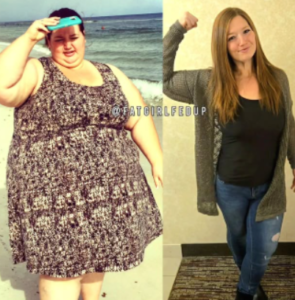
In March 2025, Reed shared a swimsuit video online — a deeply personal milestone. Standing confidently, she delivered a message of empowerment: reclaiming life, rejecting judgment, and honoring the strength of her body after immense hardship.
Criticism had followed her for years. She was judged for her weight, then judged again for her skin after dramatic weight loss. Instead of discouraging her, these experiences fueled her determination to live unapologetically.
A family member once suggested she cover her legs while trying on a swimsuit. Reed refused — turning that moment into motivation. She embraced her scars as symbols of survival, not shame.
Today, Reed exercises six days a week, balancing cardio and strength training with activities she enjoys. Her routine supports both physical health and mental well‑being, helping her manage stress and maintain energy.
Meal prep remains central. She prioritizes nutrient‑dense, high‑protein, low‑carb meals while allowing occasional indulgences — a sustainable approach that supports long‑term success.
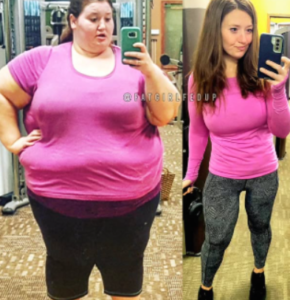
Beyond fitness, Reed emphasizes community. Through online challenges and candid storytelling, she encourages others seeking transformation, offering guidance, motivation, and proof that recovery is possible at any stage.
Her journey highlights the power of determination, support, and patience. From near immobility to fully participating in life again, Reed embodies resilience, showing that even extreme setbacks can be overcome with consistent effort and belief.
Lexi’s message now centers on gratitude — for her body’s strength, her health, and the freedom to enjoy activities once out of reach. Her scars serve as reminders of survival and growth.
Surviving calciphylaxis reshaped her perspective. She encourages followers to celebrate small victories, honor their bodies, and understand that setbacks do not define their potential. Her story reflects hope, resilience, and the value of perseverance.
Healing, she emphasizes, is both physical and emotional. Recovery isn’t just about losing weight or regaining strength — it’s about reclaiming confidence, embracing imperfections, and thriving after trauma.
Standing in a swimsuit, Reed embodies empowerment. She asserts her right to enjoy life fully, reject judgment, and honor her body’s journey. It’s not performative — it’s a celebration of survival and self‑love.
Her advocacy for self‑acceptance continues to inspire. She shows that transformation is multifaceted: physical change, mental resilience, and community support all play essential roles.
Lexi Reed’s story is a testament to human determination. From debilitating illness to confidently swimming and sharing her journey, she proves that obstacles can be overcome with support, dedication, and unwavering belief.
Through balanced nutrition, consistent exercise, and a focus on mental well‑being, Reed has reclaimed control of her life. Her narrative highlights achievable goals, realistic habits, and the transformative power of perseverance.
Her experience underscores the importance of gratitude, community, and self‑compassion. By sharing her story, she offers a blueprint for meaningful change, showing that adversity can spark growth, confidence, and holistic wellness.
Today, Reed continues to inspire through social media, fitness challenges, and public advocacy. Her content emphasizes progress over perfection, encourages reflection, and promotes a mindset that embraces possibility.
Ultimately, her journey shows that resilience goes far beyond physical appearance. True empowerment emerges when challenges are met with courage, setbacks become opportunities, and self‑love guides the path forward.
Her scars, strength, and triumphs stand as enduring symbols of hope. Through honesty and authenticity, she invites others to embrace their own journeys, celebrate progress, and recognize that recovery — physical or emotional — is lifelong but absolutely achievable.