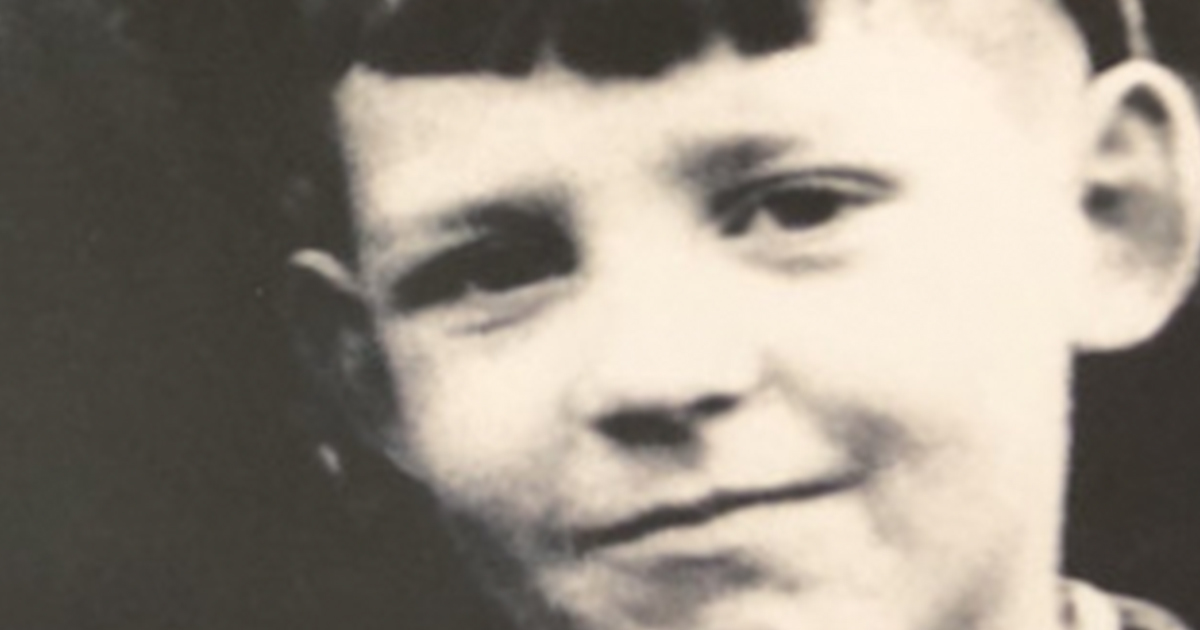
Joe Cocker, the gravel-voiced Sheffield singer whose Woodstock set became one of rock’s most famous moments, was inducted into the Rock and Roll Hall of Fame in November 2025. That was almost 11 years after his death, and plenty of fans felt the honour was long overdue.
It closed the book on an unlikely story. Cocker left school at 16 with a trade apprenticeship and little else. He spent years being ignored in pubs and nearly lost everything to drink and drugs before he found his way back.
From the soot of Sheffield
John Robert Cocker was born in Sheffield in 1944, in the middle of the Second World War. His father was an aircraftman in the RAF, and his mother kept house. Nobody agrees on how John became Joe. One story blames a childhood game of cowboys. The other credits a local window cleaner.
The Sheffield of his 1950s boyhood was a steel town under a permanent haze. Factory chimneys stained the stone terraces black. Britain didn’t pass its Clean Air Act until 1956, after London’s deadly smog of 1952 finally forced Parliament to act.
Cocker’s ambition was simple. He wanted out. His headmaster waved him off with a curt “Hard luck”, and he started training as a gas fitter. He fitted pipes by day and sang in smoky bars by night. His mother bought him textbooks on the trade, hoping it would stick. He told her he had no intention of spending decades in a job just to be handed a gold watch at the end.
His brother later told The Star that Joe’s voice had barely broken when he started performing. Nobody could see the talent yet, he said, but the hunger was obvious.
In 1964, Decca brought him to London to record a Beatles cover. It sank without trace, and the label let him go. Cocker later joked that Decca were so professional that dropping him was the only sensible thing to do.
He left the gas board and took a job packing goods. He kept gigging with local blues bands, sometimes sitting behind the drums. He spent his own wages on demo tapes, and they kept coming back rejected.
How Joe Cocker stole Woodstock
Four years after the Decca flop, he tried another Beatles song. This time he tore “With a Little Help from My Friends” apart and rebuilt it as a slow-burning soul epic. It went to No 1 in Britain and charted in America. Lennon and McCartney sent him a telegram calling him “far too much”.
The hit earned him his first American tour in 1969. That August he walked onto the Woodstock stage in jeans and a tie-dye shirt. In front of an estimated 650,000 people, he screamed, flailed and twisted his way through the song. The performance became a highlight of the festival film and the defining image of his career.
Cocker himself was unimpressed by the fuss. What he mainly remembered was taking off the shirt afterwards and finding the dye had printed its pattern onto his chest.
He followed Woodstock with the Isle of Wight festival and then the sprawling Mad Dogs & Englishmen tour. The live album from that tour reached No 2 in the US in 1970. The schedule was punishing, and Cocker eventually collapsed from exhaustion in Los Angeles.
The lost years
The Mad Dogs tour was where the partying turned into dependence. Heroin, cocaine, pills and heavy drinking became part of daily life, and living in Los Angeles made it worse.
In a 2013 interview with Louder, he said heroin made him feel fearless. He remembered tearing down the motorway from London to Sheffield while terrified friends begged him to slow down.
By the mid-1970s his shows were collapsing. In Australia he was arrested for cannabis possession. Soon after, he was arrested again in Melbourne after a fight at his hotel and spent a night in jail.
At a 1974 concert in Los Angeles, a dealer backstage loaded him up with cocaine, and he downed a bottle of brandy. He got through two songs, then sat down on stage, unable to continue. His finances followed the same path, and he came close to bankruptcy.
Even so, the records kept selling. “You Are So Beautiful” climbed to No 5 on the Billboard chart in the middle of it all.
Up where he belonged
The turning point came in 1978. Cocker moved to a California ranch owned by Jane Fonda and met Pam Baker, a former summer camp director. They married in 1987. Pam is widely credited with steadying him, helping him with his addictions and taking control of the money.
His biggest-selling single arrived in the middle of that recovery. “Up Where We Belong”, his duet with Jennifer Warnes from An Officer and a Gentleman, went to No 1 in America. It won a Grammy in 1983 and took the Oscar for Best Original Song the same year.
The albums kept coming. “Unchain My Heart”, “One Night of Sin” and “Night Calls” all sold steadily. “Have a Little Faith” in 1994 earned some of the best reviews of his career. He played the Prince’s Trust Rock Gala, a Nelson Mandela tribute, Rock in Rio II and Woodstock ’94. He was still reaching the charts with “Hymn for My Soul” in 2007 and “Hard Knocks” in 2010, bringing his total to nearly 40 albums.
He and Pam settled at Mad Dog Ranch in Crawford, Colorado. Cocker had smoked up to two packs a day until he quit in 1991. He died of lung cancer at the ranch on 22 December 2014, aged 70. Celebrity Net Worth estimates his fortune at the time at around $60 million.
Sheffield never really left him. His brother Vic said that even in Colorado, Joe would get up early to watch Sheffield United whenever they were on television. Cocker once said that if fame had never come, he doubted he’d have stayed a gas fitter. He’d still be singing in pubs, he said, “wondering what might have been”.