The entertainment world is reeling after the heartbreaking loss of Dawson’s Creek star James Van Der Beek, who has died at just 48 years old.
The beloved actor passed away “peacefully” following a two‑and‑a‑half‑year battle with colorectal cancer — a diagnosis that stunned fans who watched him grow from teen heartthrob to devoted father of six.
James Van Der Beek died on Wednesday, February 11, at just 48 after a nearly three‑year fight with stage 3 colorectal cancer. He is survived by his wife, Kimberly Van Der Beek, and their six young children.
In a statement shared on Instagram, his family confirmed the devastating news:
“Our beloved James David Van Der Beek passed peacefully this morning. He met his final days with courage, faith, and grace.
There is much to share regarding his wishes, love for humanity, and the sacredness of time. Those days will come. For now we ask for peaceful privacy as we grieve our loving husband, father, son, brother, and friend.”
The symptom he almost ignored
Van Der Beek had been candid about his health journey, determined to raise awareness about colorectal cancer — especially among younger adults who don’t think they’re at risk.
He revealed that the first warning sign was a subtle but persistent change in his bowel habits. At first, he dismissed it as something minor.
Speaking to People magazine, the Dawson’s Creek alum explained:
“I thought maybe I needed to stop coffee. Or maybe not put cream in the coffee. But when I cut that out and it didn’t improve, I thought, ‘All right, I better get this checked out.’”
Even after undergoing a colonoscopy, he wasn’t overly concerned. He had no family history of the disease. He exercised regularly. He ate well. He felt strong.
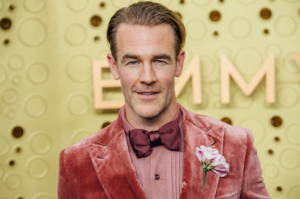
Then came the news that changed everything. “I felt really good coming out of anesthesia, that I’d finally done it,” he said. “Then the gastroenterologist said — in his most pleasant bedside manner — that it was cancer. I think I went into shock.”
The diagnosis: stage 3 colorectal cancer.
Van Der Beek later reflected on how his assumptions about cancer were completely shattered.
“I’d always associated cancer with age and with unhealthy, sedentary lifestyles. But I was in amazing cardiovascular shape. I tried to eat healthy — or as far as I knew it at the time.”
A growing crisis among younger adults
Colorectal cancer is no longer just a disease of older adults. In the U.S., roughly 150,000 people are diagnosed each year — and it has become the leading cause of cancer‑related death for men and women under 50.
That’s part of why Van Der Beek chose to speak openly about his experience. He wanted others to pay attention to their bodies, especially when something feels “off.”
Doctors say the rise in colorectal cancer among younger adults is deeply concerning.
“We’re now starting to see more and more people in the 20‑, 30‑ and 40‑year‑old range developing colon cancer. At the beginning of my career, nobody that age had colorectal cancer,” said John Marshall of Georgetown University’s Lombardi Comprehensive Cancer Center, speaking with AP.
That shift “is shaking us all, to be blunt,” added Marshall, who also serves as medical consultant to the Colorectal Cancer Alliance.
Early detection dramatically improves survival rates. When caught at its earliest stage, survival odds are extremely high.
At any age, several factors can increase the risk of colorectal cancer, including excess weight, lack of exercise, diets high in red or processed meats, smoking, heavy alcohol use, inflammatory bowel disease, or having a close relative with colorectal cancer.
Symptoms people shouldn’t ignore
Health organizations urge people to watch for:
- Changes in bowel habits (diarrhea, constipation, softer stool)
- Blood in stool (red or black)
- Rectal bleeding
- Ongoing abdominal pain
- Bloating
- Unexplained weight loss
- Fatigue or shortness of breath (possible anemia)
- A persistent feeling of needing to use the bathroom
Van Der Beek’s story is a powerful reminder that even those who appear outwardly healthy are not immune.
He leaves behind a grieving family, millions of fans, and a legacy that extends far beyond the screen — one marked not only by fame, but by vulnerability, advocacy, and grace in the face of something unimaginably difficult.