When an itchy rash keeps coming back for weeks on end, doctors start using a specific label: chronic hives. Urticaria, the medical name for hives, affects roughly one in five people at some point in their lives, and once outbreaks run past the six-week mark, the condition is handled very differently from a one-off reaction.
That line matters for any parent or patient watching welts appear night after night with no obvious cause. In most chronic cases, the trigger is never found.
What is actually happening in the skin
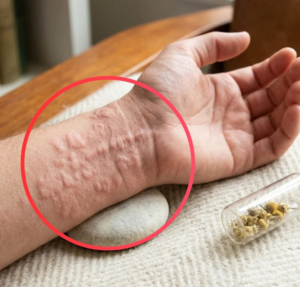
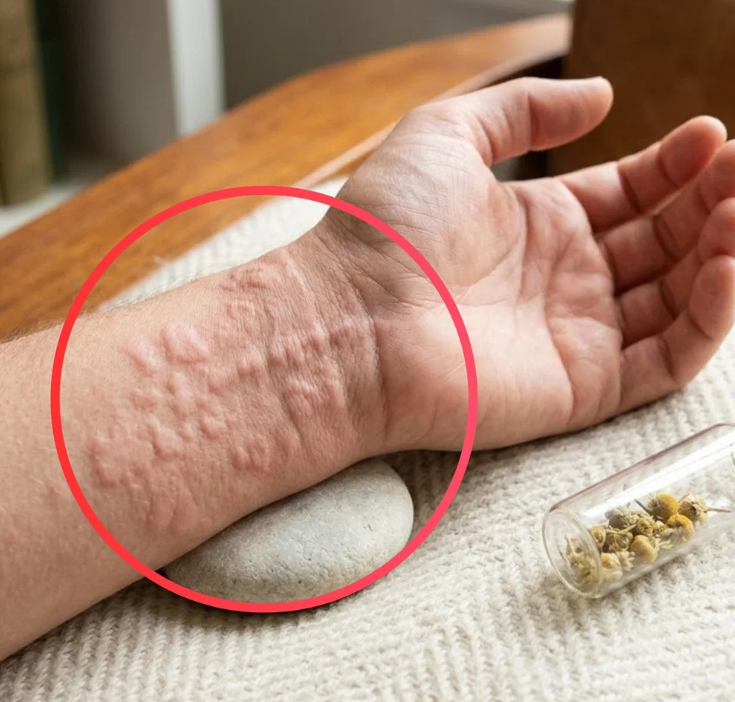
Hives are raised, intensely itchy patches known as weals. They can be round or ring-shaped, can merge into larger blotches, and can show up anywhere on the body. Scratching often brings them out.
The driver is histamine. Immune cells called mast cells release it, along with other chemicals, into the bloodstream. Tiny blood vessels in the skin then leak fluid, and that fluid forms the swollen welt.
A single hive usually fades within 24 hours. The condition behind it can take far longer to settle.
Hives sometimes arrive with a deeper swelling called angioedema. It tends to hit soft areas such as the lips, eyelids and the inside of the mouth, lasts longer than hives, and is more likely to hurt than itch. If someone gets this swelling with no hives at all, it may point to a separate condition, hereditary angioedema, which is diagnosed with blood tests and treated differently.
Acute hives: usually a clear cause
The most common form is acute urticaria. It comes on suddenly and clears within six weeks, and in almost every case doctors can identify what set it off.
Typical triggers include:
- Foods such as peanuts, shellfish, eggs and milk, along with insect stings and latex
- Medications, especially aspirin and other NSAIDs, and some antibiotics including penicillin
- Infections, from the common cold to hepatitis and mononucleosis, which is common in children
- Heat, cold or emotional stress
These outbreaks tend to peak fast and fade within days or weeks. Oral antihistamines usually bring them under control.
Chronic hives: the harder puzzle
Chronic urticaria means outbreaks that keep returning, often daily, for more than six weeks. Here the detective work gets much harder. In 80 to 90 percent of cases, no specific trigger is ever pinned down.
About half of chronic cases appear to be autoimmune. The body makes autoantibodies that latch onto IgE receptors on mast cells, prompting them to release histamine with no outside threat present. In other patients, the hives are tied to a wider illness such as hypothyroidism, lupus or rheumatoid disease.
What makes the condition so draining is the cycle. Each welt clears within a day, but fresh ones keep surfacing somewhere else. That pattern can wreck sleep and take a real emotional toll.
Treatment can be aggressive: high-dose antihistamines, biologic drugs such as omalizumab, or medicines that suppress the immune system.
When the trigger is physical
A third group, physical or inducible urticaria, is set off by something outside the body. The hives appear within a minute or two and stay confined to the patch of skin that was exposed.
The main types:
- Dermographism (“skin writing”): light scratching, rubbing or firm pressure leaves raised, itchy lines.
- Cold urticaria: triggered by cold air, cold water or ice. Plunging the whole body into cold water can cause a widespread histamine release that may be life-threatening, so a dip in a cold lake or pool is a genuine risk for people with this form.
- Cholinergic urticaria: brought on by rising body heat from exercise, hot baths, spicy food or intense stress.
- Solar urticaria: caused by sunlight or UV exposure.
- Delayed pressure urticaria: follows hours of heavy pressure on the skin from backpack straps, a tight belt or sitting awkwardly. Symptoms take four to eight hours to show and feel deeper and more painful than itchy.
Signs that need emergency care
Most hives are harmless. Some are not. Hives combined with shortness of breath, a swollen tongue or throat, dizziness or a tight chest can signal anaphylaxis, a severe allergic reaction that can be fatal. That calls for emergency help right away; in the US, call 911.
For ongoing outbreaks, doctors often ask patients to keep a symptom diary logging food, medications, stress levels, daily activities and the timing of each flare. It is tedious work, but patterns often emerge that point toward a cause.
Small changes at home can also cut down on flare-ups. Loose clothing, fragrance-free skin products in place of harsh soaps, keeping the skin cool and managing stress all help. For a sudden itchy outbreak, a cool compress gives quick relief.
Many chronic cases can be brought under control once the right treatment is found and the person learns their triggers. Anyone whose hives are severe, keep coming back, or are starting to disrupt daily life should book a doctor’s appointment rather than wait for the next flare to pass.