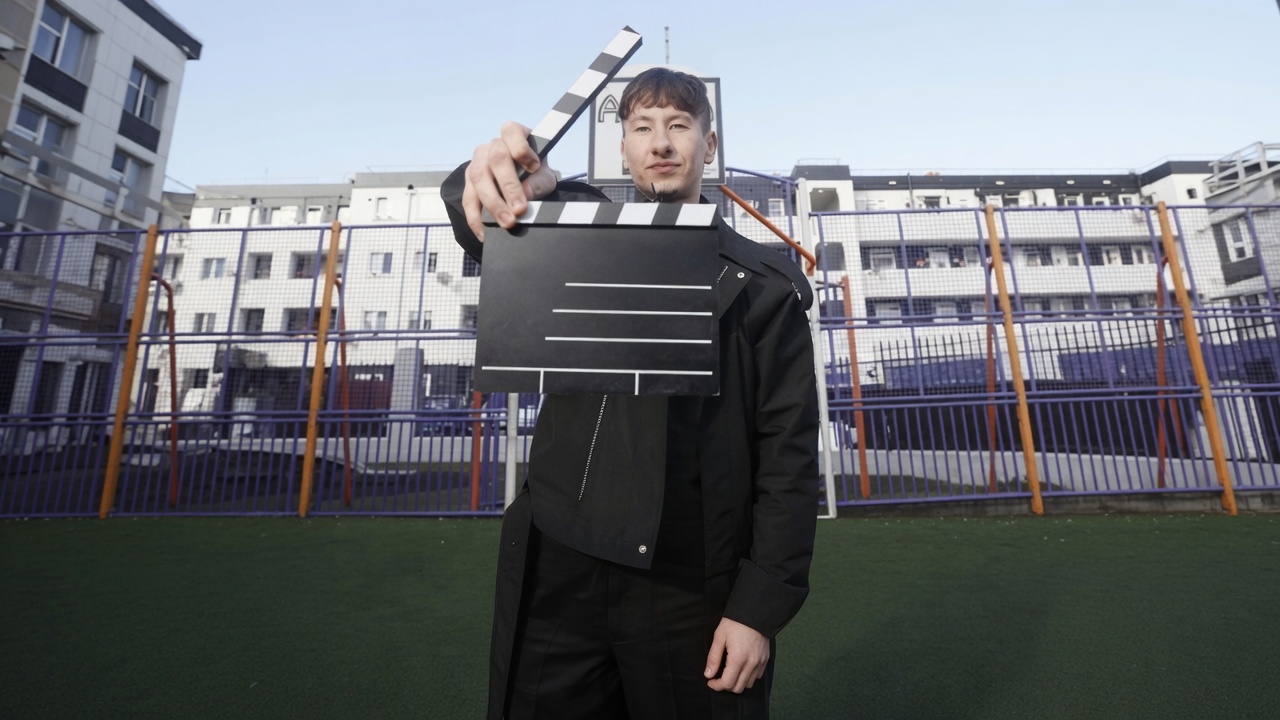
Barry Keoghan has turned his painful past into a powerful public mission.
Now 33 and a devoted father to his son, Brando, the Irish actor has become one of the most visible voices challenging the stigma surrounding foster care. Long before Hollywood recognized him as a fearless talent, Keoghan was a boy in Dublin trying to survive instability most children should never face. After losing his mother to a heroin overdose, he spent part of his childhood moving through 13 different foster homes.
That number has often followed him in interviews, but Keoghan has refused to let it define him as a tragedy. Instead, he has used it as proof of endurance, resilience, and responsibility. His story is not simply about surviving a broken system; it is about returning to speak for the children still living inside it.
Keoghan’s message is direct: foster children are not statistics. They are not damaged goods. They are young people who need stability, emotional care, and adults willing to see their potential before their pain. His rise from difficult circumstances to international acclaim has given him a platform, and he seems determined to use it for more than fame.
Through his charity work, including his role as an ambassador for organizations such as Barretstown, Keoghan has repeatedly shown concern for children facing hardship, illness, poverty, and social neglect. His advocacy carries weight because it does not feel distant or performative. It comes from lived experience.
The phrase “It’s time to repay” captures the heart of his mission. For Keoghan, success has not meant escaping his past and never looking back. It has meant gaining enough strength, visibility, and influence to challenge the conditions that shaped him. He knows what it feels like to be overlooked. He knows how easily society can reduce vulnerable children to files, placements, and case numbers.
Fatherhood has added another layer to that purpose. As a parent, Keoghan’s past seems to have sharpened his understanding of what children need most: safety, consistency, and love. His bond with Brando has become part of a larger personal transformation, showing how someone raised amid uncertainty can still build a life rooted in care and commitment.
Barry Keoghan’s stand is fearless because it refuses shame. He has taken one of the most painful chapters of his life and turned it into a demand for change. His story reminds the world that children in foster care do not need pity. They need protection, opportunity, and people willing to fight for them before it is too late.