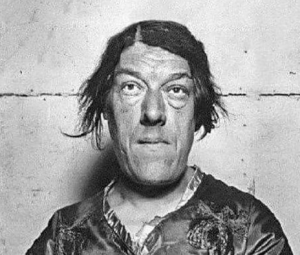
For generations of television fans, Peter Falk will forever be remembered as the iconic TV detective in the rumpled raincoat who shuffled into a room, scratched his head, and disarmed criminals with a deceptively simple question: “Just one more thing…” His portrayal of Lieutenant Columbo became one of the most recognizable characters in television history, but the man behind the character lived a life far richer, more complicated, and more human than many ever realized.
Born in 1927 in New York City, Falk’s childhood was shaped early by adversity. At just three years old, he lost his right eye to retinoblastoma, a rare childhood cancer. He wore a prosthetic eye for the rest of his life, a feature that contributed to his signature squint and later became part of Columbo’s charm. Despite this challenge, Falk grew up active, confident, and determined. He played sports, cracked jokes, and refused to let his disability define him.
Before acting ever entered the picture, Falk lived a surprisingly ordinary life. He worked as a cook in the Merchant Marine, earned a degree in political science, and even attempted a career in civil service. But the spark of performance kept calling. He joined community theater, then off‑Broadway, and soon Hollywood took notice. His breakout role came in 1960 with Murder, Inc., earning him an Academy Award nomination. A second nomination followed a year later for Pocketful of Miracles. Falk was no overnight sensation—he was a grinder, a fighter, and a man who carved out a place in an industry that didn’t always welcome unconventional faces.
Then came the role that changed everything.
When Columbo premiered in 1968, audiences had never seen a detective like him. He wasn’t polished, glamorous, or intimidating. Instead, he was a blue‑collar underdog who appeared forgetful, distracted, and almost bumbling—until he wasn’t. Falk infused the character with warmth, humor, and razor‑sharp intelligence. The magic of Columbo was that he let the villain underestimate him. And Falk played that dynamic with such subtle brilliance that viewers couldn’t help but root for him.
Throughout the 1970s, Columbo dominated prime‑time television, and Falk became one of the highest‑paid actors on TV. The show’s format—revealing the killer at the beginning and letting Columbo unravel the truth—was groundbreaking. Falk’s performance earned him four Emmy Awards and cemented his place in pop‑culture history. Even today, decades later, the series continues to attract new fans who appreciate its clever writing, slow‑burn tension, and Falk’s unforgettable charm.
But behind the scenes, Falk’s life was far from the tidy resolutions of a Columbo episode. According to biographers and those close to him, he wrestled with personal demons, including heavy drinking, womanizing, and turbulent relationships. His first marriage to Alyce Mayo lasted 16 years before ending amid reports of infidelity. His relationship with his daughters, especially Catherine, was strained and often painful. Catherine later described feeling shut out of her father’s life, particularly after he remarried actress Shera Danese.
These behind‑the‑scenes battles didn’t diminish Falk’s talent, but they added layers to the man fans thought they knew. He was brilliant, flawed, generous, stubborn, and deeply human—qualities that made his portrayal of Columbo feel so authentic.
As Falk aged, his health began to decline. In the late 2000s, he was diagnosed with Alzheimer’s disease, a cruel twist for a man whose career depended on memory, nuance, and timing. His condition worsened after hip surgery in 2008, and soon he no longer remembered playing Columbo at all. For fans, this revelation was heartbreaking; for his family, it was devastating.
Falk passed away on June 23, 2011, at his Beverly Hills home. He was 83. His death was attributed to pneumonia, with complications from Alzheimer’s. Tributes poured in from around the world. Steven Spielberg, who worked with Falk early in his career, said, “I learned more about acting from him than from anyone else.” Fans shared memories of watching Columbo with parents and grandparents, of quoting his lines, of admiring his gentle persistence.
In his final years, Falk’s family disputes became public, with Catherine claiming she was kept from seeing her father and wasn’t informed of his death until hours later. These conflicts were painful reminders that even beloved public figures live private lives filled with complexity and heartbreak.
Yet despite the turmoil, Falk’s legacy remains overwhelmingly positive. He gave the world a character who solved crimes not with violence or bravado, but with humility, patience, and quiet brilliance. Columbo wasn’t just a detective—he was a symbol of the underestimated, the overlooked, the everyday person who turns out to be extraordinary.
Peter Falk entertained millions, inspired generations of actors, and left behind a body of work that continues to resonate. His life was imperfect, but his impact was undeniable. And in the end, perhaps that’s what made him so compelling: he was real.
A flawed man. A brilliant performer. And an unforgettable detective.