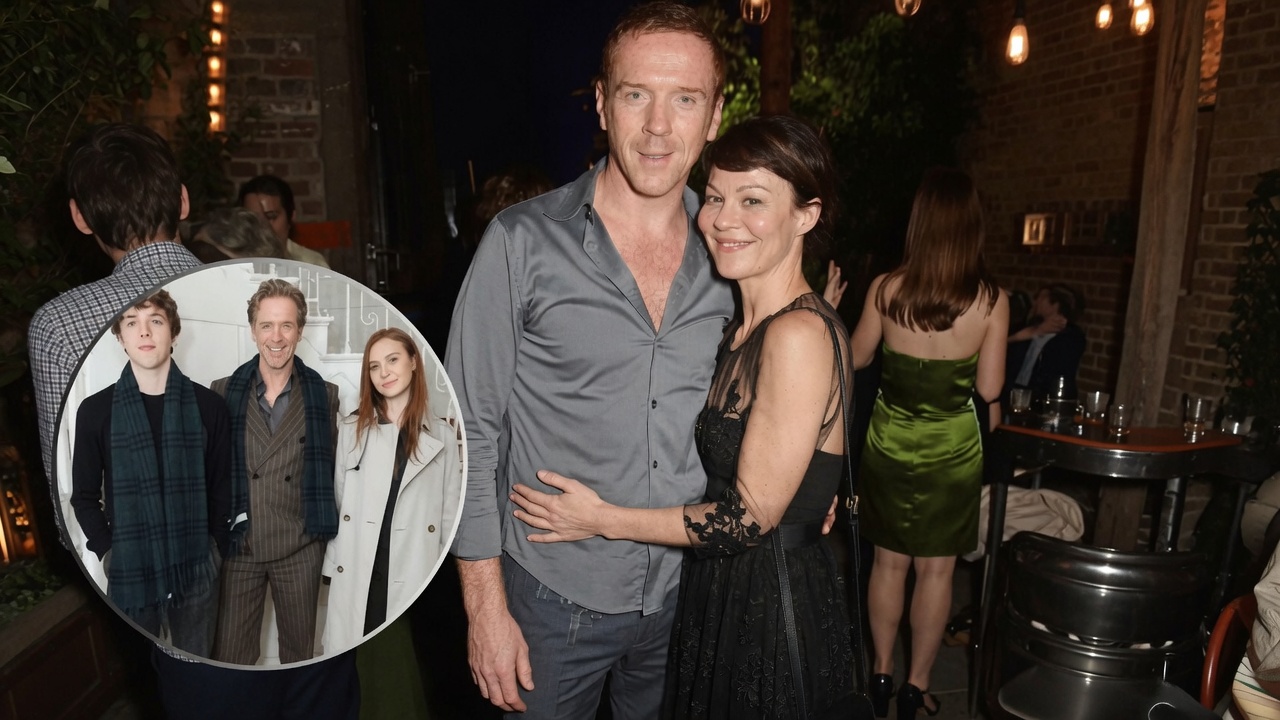
The death of Helen McCrory in April 2021 at the age of 52 was a devastating loss for her family, friends, and the countless fans who admired her extraordinary work on stage and screen. Best known to many as the formidable Polly Gray in Peaky Blinders, McCrory left behind not only an acclaimed acting legacy but also a lasting example of courage, grace, and selflessness in the face of terminal illness.
For her husband, actor Damian Lewis, the loss was almost unimaginable. The couple had shared a deeply admired marriage and were raising their two children, Manon and Gulliver, when McCrory passed away following a private battle with breast cancer. Yet even during her final months, those closest to her say she remained focused not on herself, but on the people she loved.
In a moving tribute published shortly after her death, Lewis revealed the remarkable strength McCrory displayed as she prepared her family for a future she knew she would not be part of. Rather than allowing sadness to define her final conversations, she approached them with the same wit, honesty, and determination that had characterized her life.
According to Lewis, one of the most important gifts McCrory left her family was permission to continue living fully after she was gone. She reportedly encouraged her husband and children not to become trapped by grief or guilt. Instead, she wanted them to embrace life, seek happiness, and keep moving forward with confidence and joy.
Lewis recalled that McCrory repeatedly emphasized her desire for the family to continue loving, laughing, and experiencing everything life had to offer. Her outlook was strikingly free of self‑pity. Even while confronting her own mortality, she focused on ensuring that those she loved would not feel burdened by her absence.
One of the most memorable parts of Lewis’s tribute was his recollection of her advice regarding the future. In characteristic fashion, McCrory mixed humor with wisdom, reportedly encouraging him to find happiness again when the time was right. Rather than framing her passing as an ending that should permanently define the family, she viewed love as something that should continue growing and evolving.
That perspective resonated deeply with readers around the world. Many were moved by the idea that a person facing the end of life could remain so committed to the well‑being of others. McCrory’s final message was not one of sorrow but of hope — a reminder that grief and love can coexist, and that honoring someone’s memory often means continuing to live fully rather than withdrawing from life.
The response to Lewis’s tribute was immediate and emotional. Millions who had admired McCrory’s performances discovered an even more inspiring story behind the actress they thought they knew. Her final wishes reflected the qualities for which she had long been respected: generosity, intelligence, resilience, and an unwavering devotion to her family.
Years after her passing, Helen McCrory’s words continue to resonate. While audiences remember her unforgettable performances, those closest to her remember something equally powerful: a woman who faced death with remarkable courage and who chose, above all else, to leave her family with permission to embrace life. In doing so, she gave them a final gift that may prove even more enduring than her celebrated career — a lasting reminder to live boldly, love deeply, and never let grief extinguish joy.