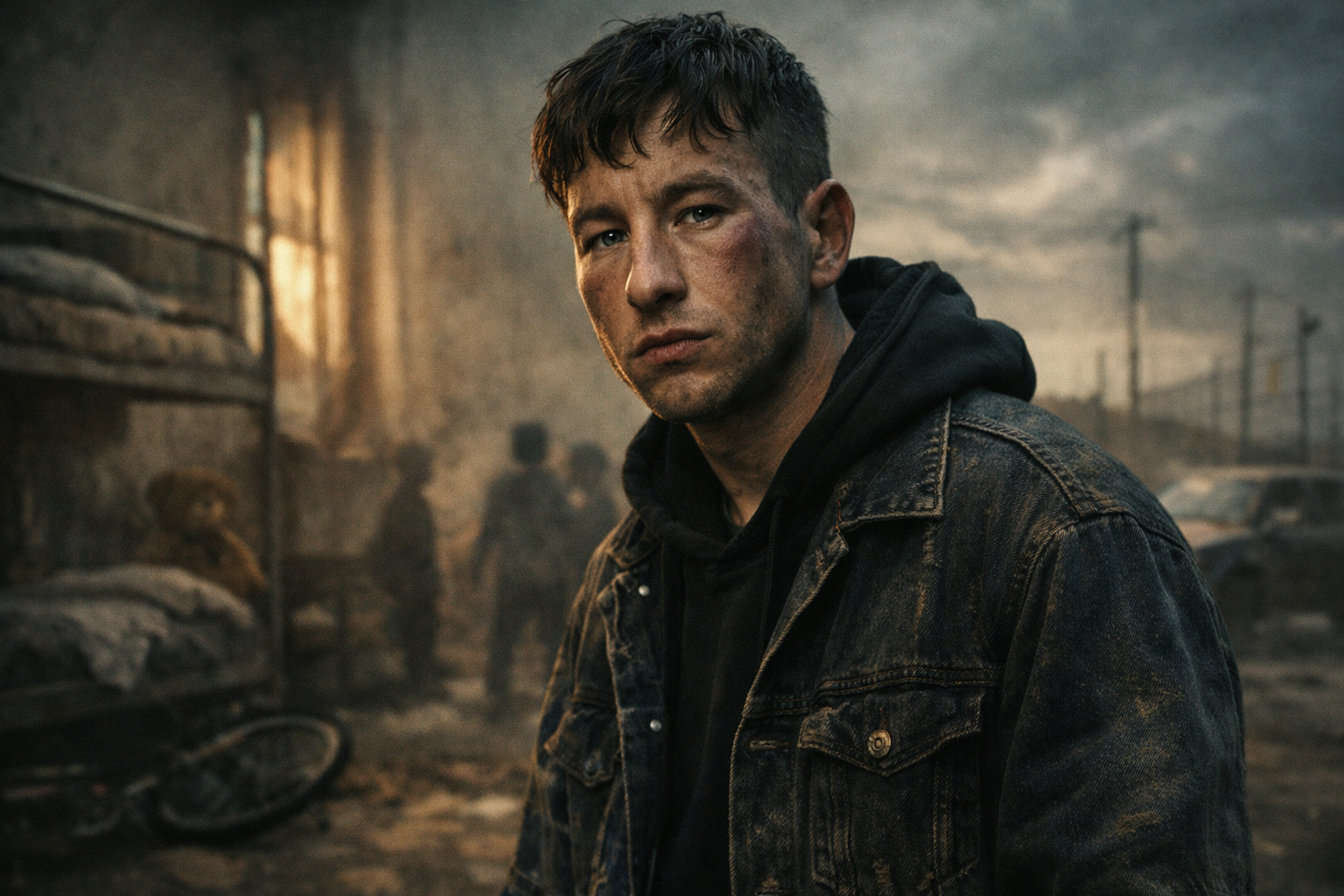
Long before Barry Keoghan became one of Hollywood’s most celebrated actors, his life was defined not by red carpets and film premieres, but by uncertainty, loss, and survival. The performances that would later earn acclaim in films such as The Banshees of Inisherin, Saltburn, and The Batman were still years away. At the time, Barry and his brother Eric were simply trying to find stability in a world that often seemed determined to deny it.
Their childhood was marked by immense hardship.
After their mother struggled with heroin addiction, Barry and Eric faced a reality few children should ever have to experience. Following her death when Barry was just 12 years old, the brothers found themselves moving through a series of temporary living situations. Relatives stepped in whenever possible, but stability remained elusive. Over the years, they reportedly lived in numerous foster homes across Dublin, rarely knowing how long any placement would last.
Some stays lasted for months, while others ended much sooner.
The constant movement created an environment where uncertainty became part of daily life. Friends and acquaintances from that time have described a young Barry carrying his belongings in bags, never fully certain where he would be living next. Establishing routines, building lasting friendships, or feeling secure often proved difficult when circumstances could change without warning.
According to those who knew him, Barry developed a sense of humor that helped him navigate difficult situations. He could make people laugh and often appeared resilient on the surface. Yet beneath that outward confidence was a child struggling with grief, loss, and questions about belonging.
His brother Eric has spoken about the emotional impact those years had on both of them. Growing up without consistent stability can leave lasting scars, and the experience reportedly shaped Barry’s view of himself and the world around him. One thought, in particular, remained difficult to escape:
“I thought nobody wanted me to stay.”
The statement captures the emotional reality many children in unstable situations experience. Frequent moves and disrupted relationships can create a sense of impermanence that extends far beyond physical locations. Even when people care deeply, circumstances can make it difficult for a child to feel truly secure.
For Barry, the turning point came through acting.
What began as an opportunity to explore creativity gradually became something far more significant. Acting offered structure, purpose, and a chance to imagine possibilities beyond the challenges that had defined much of his early life. Through performance, he discovered a way to channel emotions that had long been difficult to express.
As his talent developed, opportunities followed. Small roles led to bigger ones, and industry recognition steadily grew. Directors and audiences alike became captivated by his ability to portray complex, emotionally layered characters with remarkable authenticity.
Many observers believe those difficult childhood experiences contributed to the depth he brings to his performances. Rather than erasing the hardships of his past, success allowed him to transform them into a source of strength and artistic insight.
Today, Barry Keoghan’s story resonates because it extends far beyond Hollywood success. His journey represents perseverance in the face of extraordinary challenges and demonstrates how resilience can emerge from even the most uncertain beginnings.
From foster homes across Dublin to some of the world’s biggest film productions, the path was anything but straightforward. Yet the child who once questioned whether he belonged eventually found a place where his voice, talent, and story could be heard.
For many fans, that may be the most remarkable role of all—not the characters Barry Keoghan plays on screen, but the life he built after refusing to let his circumstances define his future.