For most people, food is meant for nourishment, enjoyment, and taste. However, around the world, millions of people face a harsh reality where even an ordinary meal can become life-threatening.
Would you ever eat something that could kill you? While food is usually about survival and nutrition, some foods across the globe carry serious risks—even death—yet they are still commonly consumed. Let’s explore 10 of the most dangerous foods on Earth and understand why people continue to eat them.
Cyanide-containing staple
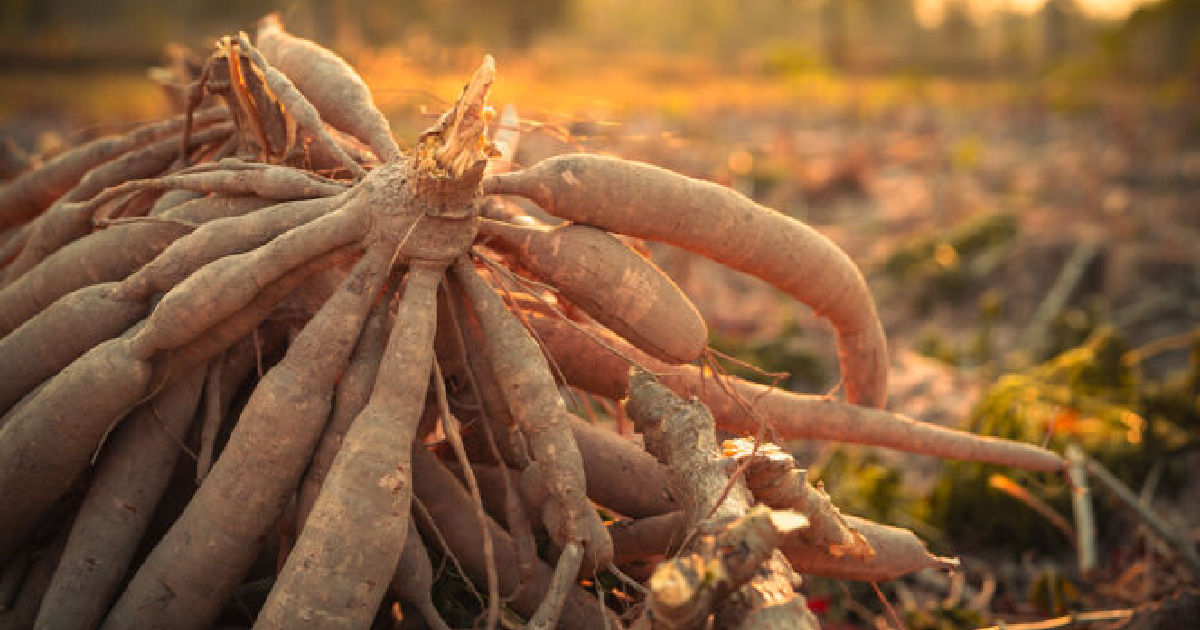
Cassava may appear like a simple root vegetable, but both its roots and leaves contain cyanogenic glycosides. When eaten raw or not properly processed, these compounds release cyanide, which can lead to poisoning, paralysis, goiters, and even death.
The World Health Organization (WHO) estimates that cassava poisoning causes around 200 deaths annually, making it known as one of the “world’s deadliest foods.”
Despite this, cassava remains a crucial food source for over 800 million people across roughly 80 countries. It is drought-resistant, easy to cultivate, and rich in carbohydrates. When properly prepared—through soaking, boiling, fermenting, or drying—the toxins are greatly reduced. For many communities, it is a survival essential rather than a choice.
Dangerous delicacy
The Japanese dish fugu is prepared from pufferfish, which contains tetrodotoxin, a poison reported to be “200 times more deadly than cyanide,” according to BBC reports. Poisoning symptoms are described as rapid and severe—starting with numbness, followed by paralysis, and eventually death, while the victim remains conscious throughout. There is no known antidote.

Japan’s health authorities report around 50 poisoning cases each year, mostly involving untrained individuals, with occasional fatalities.
Despite the danger, fugu is considered a luxury dish in Japan, often served as sashimi or in hot pots. Only certified chefs are allowed to prepare it, as they carefully remove the toxic organs such as the liver and intestines. Even a slight tingling sensation is part of its appeal for adventurous diners.
Hidden neurotoxin
Starfruit contains natural neurotoxins that are harmless to most people but extremely dangerous for those with kidney disease. In such cases, the toxin can build up in the body, leading to confusion, seizures, and even death. Early symptoms may include hiccups, vomiting, or weakness.
For people with healthy kidneys, starfruit is safe and nutritious. The fruit is known for its sweet-sour taste and high vitamin C content. According to WebMD, it also contains antioxidants and potassium, which may support heart health.
Sweet treats with a hidden risk
Apple seeds and cherry pits contain amygdalin, a compound that can turn into cyanide when crushed or chewed. In large amounts, it can cause nausea, dizziness, breathing problems, and in extreme cases, death.
While eating the fruit itself is safe, the seeds and pits should never be crushed. Swallowing them whole is usually harmless, but breaking them releases the toxic compound.
Toxic side dish
Potatoes that turn green after exposure to light produce chlorophyll, which is not harmful. However, Healthline explains that this also signals increased levels of solanine, a compound that can become toxic in high amounts.
Eating large quantities may lead to serious symptoms such as paralysis or even coma, though severe cases are rare.
Proper preparation makes potatoes safe. Any green sections or sprouting parts should always be removed or discarded.
Naturally toxic nuts
Raw cashews contain urushiol, the same irritant found in poison ivy and poison oak.
According to Healthline, consuming or handling raw cashews can trigger reactions similar to poison ivy exposure, including itchy rashes and skin irritation.
However, cashews sold in stores labeled as “raw” are actually heat-processed and safe to eat.
(Note: mango skin also contains urushiol.)
Not worth the risk
Nutmeg contains myristicin, a compound that affects the nervous system. In large amounts, it can cause hallucinations, rapid heartbeat, nausea, and seizures. Just a small overdose—around two teaspoons—can lead to severe symptoms lasting days, and in rare cases, psychological effects lasting months.
In normal culinary use, nutmeg is safe and commonly used in desserts and drinks, but excessive intake turns it into a dangerous substance.
Deadly fungi
Certain wild mushrooms, such as the death cap mushroom, contain powerful toxins that can cause organ failure and death. It is even linked to historical deaths, including that of Pope Clement VII.

According to Britannica, only a small number of mushroom species are actually fatal, but many poisonous varieties closely resemble edible ones, making them extremely risky.
Unless you are an expert, it is always safer to avoid wild mushrooms and stick to store-bought varieties.
Sweet but toxic
Rhubarb is widely used in desserts, but only the stalks are safe to eat. The leaves contain oxalic acid, which can be toxic in large amounts and may lead to kidney damage or failure.
While rhubarb stalks are delicious and safe, the leaves should never be consumed and are best discarded.
Dangerous beans
Raw kidney beans contain phytohaemagglutinin, a toxin that can cause severe nausea, vomiting, and stomach pain. Even a small amount of undercooked beans can result in food poisoning.
Boiling them for at least 10 minutes destroys the toxin and makes them safe to eat. However, slow cooking at low temperatures can actually increase toxicity, so proper preparation is very important.