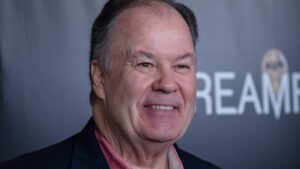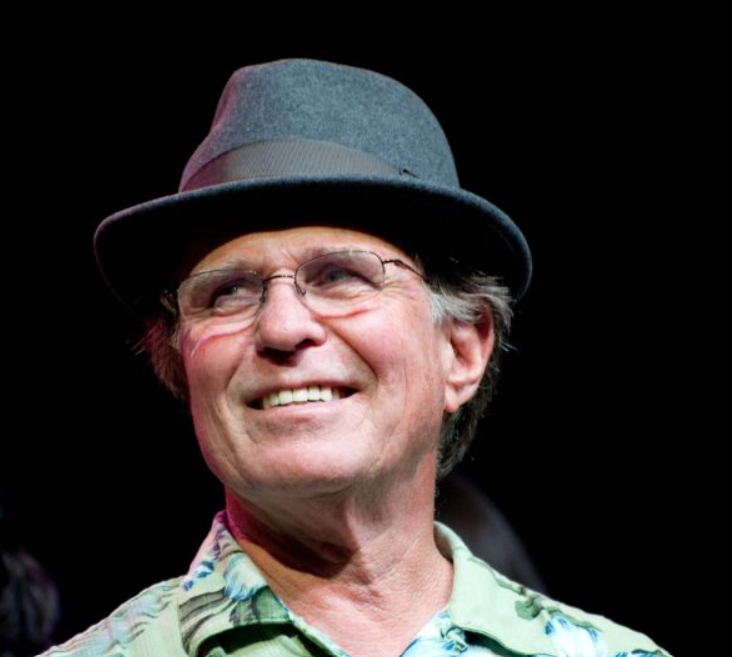
Renowned American singer‑songwriter Country Joe McDonald, one of the most recognizable musical voices of the 1960s protest era, has passed away at the age of 84. His music and activism helped define a generation.
According to statements released by his family and former bandmates, McDonald died on March 7, 2026, at his home in Berkeley, California. His death followed complications related to Parkinson’s disease.
His passing marks the end of an important chapter in the history of protest music. For many listeners, McDonald’s voice symbolized the spirit of social change that swept across the United States during the 1960s.
Throughout his long career, he blended music with powerful political commentary. His songs addressed issues such as war, civil rights, environmental protection, and the struggles faced by veterans returning home.
Born Joseph Allen McDonald on January 1, 1942, in Washington, D.C., he grew up during a period of political tension and cultural transformation that would later influence his songwriting and activism. Although born in the nation’s capital, he spent much of his childhood in California, where the state’s growing music scene and activist culture helped shape his future path.
From a young age, music captured his imagination. He taught himself guitar and began experimenting with songwriting, drawing inspiration from traditional folk, blues, and early country music.
One of his deepest influences was Woody Guthrie. Guthrie’s storytelling and commitment to social commentary showed McDonald that music could serve as both artistic expression and political voice.
Before fully committing to music, McDonald served in the United States Navy. His military experience offered a very different perspective on American life and global conflict, shaping many of the themes he later explored in his songs.
After completing his service, he moved to Berkeley, California, in the early 1960s. At the time, Berkeley had become a center of student activism and creative experimentation.
The city’s vibrant community of artists, writers, and activists provided fertile ground for musicians who wanted to combine music with social commentary and political expression.
In the mid‑1960s, McDonald formed the band Country Joe and the Fish with guitarist Barry “The Fish” Melton and several other musicians who shared his vision. The band quickly became associated with the emerging psychedelic rock scene developing in San Francisco and throughout California’s counterculture communities.
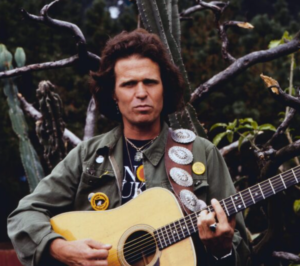
Their music blended folk storytelling, experimental rock, and sharply satirical lyrics that often criticized government policies and social injustice.
One of their most famous songs, I‑Feel‑Like‑I’m‑Fixin’‑to‑Die Rag, became a powerful protest anthem during the Vietnam War.
Its dark humor and biting satire criticized the political decisions that sent young Americans to fight overseas. It resonated deeply with a generation increasingly questioning the war.
Although controversial at the time, the song spread rapidly across college campuses, protest rallies, and underground radio stations.
For many listeners, it captured the frustration and anxiety felt by young Americans during one of the most divisive conflicts in modern U.S. history.
The band’s reputation grew steadily throughout the late 1960s. Their albums blended psychedelic experimentation with social commentary, making them one of the most distinctive voices of the era. Their rising popularity led to performances at major events across the country, including one of the most iconic music festivals ever held.
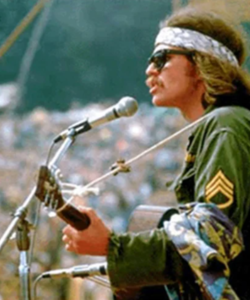
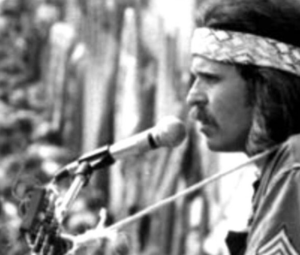
In August 1969, McDonald and his band performed at the legendary Woodstock Music & Art Fair, an event that became a symbol of peace, music, and cultural transformation.
The festival drew hundreds of thousands of people and featured some of the most influential musicians of the era.
During the event, McDonald delivered one of Woodstock’s most memorable moments when he led the crowd in what became known as the “Fish Cheer.”
Standing alone on stage with his guitar, he encouraged the audience to chant along before launching into his famous protest song.
The performance electrified the massive crowd and became one of the defining moments captured in the documentary Woodstock: 3 Days of Peace & Music.
The film later won an Academy Award and helped preserve the festival’s cultural significance for future generations. For McDonald, Woodstock was more than a performance — it represented the collective voice of a generation calling for peace and challenging the political status quo.
The visibility from that performance brought McDonald international attention and reinforced his role as a central figure in the counterculture movement.
Despite the controversy surrounding some of his songs, he remained committed to expressing his beliefs through music and activism.
After the peak of the psychedelic era, Country Joe and the Fish disbanded in the early 1970s. But McDonald’s musical career was far from over.
He went on to build a successful solo career, continuing to write songs and release albums exploring themes of history, social justice, and personal reflection.
Over the decades, he recorded more than thirty albums and wrote hundreds of songs ranging from folk ballads to rock and experimental compositions.
Even as musical trends shifted, McDonald remained dedicated to using his art to address important social issues.
He became particularly active in advocating for Vietnam War veterans, believing many returning soldiers had not received the respect or support they deserved. His activism also extended to environmental protection and humanitarian causes. At various points, he supported initiatives promoting ecological awareness and global peace.
Beyond music and activism, McDonald pursued historical research and educational projects, reflecting his curiosity about the past and its influence on modern society.
As the decades passed, he continued performing at concerts, festivals, and anniversary events celebrating the music and cultural impact of the 1960s.
Even later in life, his performances remained energetic and thoughtful, reflecting his lifelong dedication to music and social dialogue.
In 2019, after more than fifty years of performing and recording, McDonald began stepping back from touring and public appearances.
He chose to spend more time with his family and focus on quieter aspects of life, including writing, reflection, and time with his grandchildren.
Although he slowed down professionally, his legacy continued to inspire musicians and historians studying the cultural movements of the twentieth century.
The music of Country Joe and the Fish remains an essential part of the soundtrack of the 1960s protest era.
Songs like I‑Feel‑Like‑I’m‑Fixin’‑to‑Die Rag continue to appear in documentaries, historical discussions, and retrospectives examining the Vietnam War and its social impact.
Many historians consider McDonald’s work a powerful example of how art and activism can intersect to influence public conversation and cultural identity.
His willingness to speak openly about controversial issues made him both admired and criticized, but he remained committed to expressing his beliefs. Throughout his life, he emphasized that music could bring people together and spark dialogue about difficult topics.
In addition to his musical achievements, he was known as a devoted family man who valued time with loved ones.
He is survived by his wife, Kathy McDonald, with whom he shared decades of marriage.
He also leaves behind five children — Seven, Devin, Ryan, Tara Taylor McDonald, and Emily McDonald Primus — along with four grandchildren and his brother Billy.
Family members described him as someone who balanced artistic passion with deep personal warmth and curiosity about the world.
Although his passing marks the loss of an influential artist, his music and message continue to resonate across generations.
From protest songs to reflective folk compositions, McDonald’s body of work reflects the hopes, frustrations, and ideals of a transformative era in American history.
His contributions to music, activism, and cultural dialogue helped shape how artists engage with political and social issues.
Today, fans and fellow musicians remember him as one of the most authentic voices of the counterculture movement.
His performances — particularly at Woodstock — remain etched into the history of popular music.
Through decades of songwriting and activism, McDonald showed that music could challenge power, inspire reflection, and encourage empathy.
As tributes continue to appear from fans around the world, his influence on protest music and socially conscious art remains undeniable.
The legacy of Country Joe McDonald stands as a reminder of the enduring connection between music, culture, and the pursuit of social change.
May the legendary singer, songwriter, and activist rest in peace. His voice, message, and music will continue to echo through the generations that follow.