Death row inmates in Texas are no longer allowed to request a special last meal before execution — and it all traces back to one man’s shocking order.
The brutal crime
It’s a question people ask in passing everywhere: if you knew your time was up, what would your final meal be?
Some picture a towering burger, a perfectly cooked steak, or another culinary indulgence. But in Texas, that tradition has officially ended.
For decades, inmates in many U.S. states were permitted one “last meal” of their choosing before execution. Treated more as a privilege than a legal right, these meals became known for their extravagance, symbolism, or emotional weight. Some states limited spending or menu options, and a few quietly abandoned the practice altogether.
The idea of a last meal stretches back centuries — ancient Rome, Greece, and China had similar customs rooted in superstitions intended to prevent the condemned’s spirit from haunting the living.
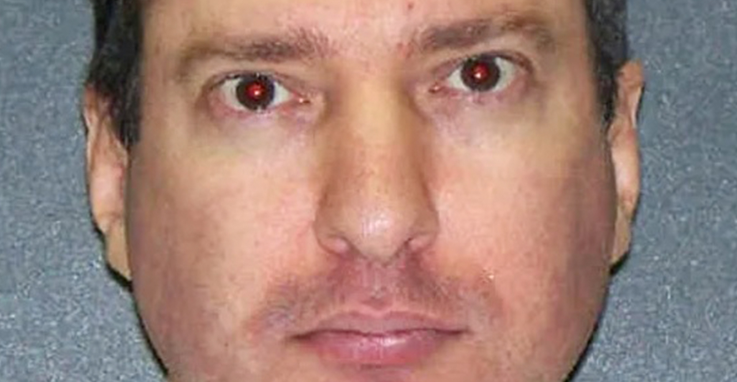
But it was Lawrence Russell Brewer who changed the rules forever in 2011.
Brewer, a white supremacist, was jailed with two other men (Shawn Berry and John King) for the brutal 1998 murder of James Byrd Jr. in Jasper, Texas.
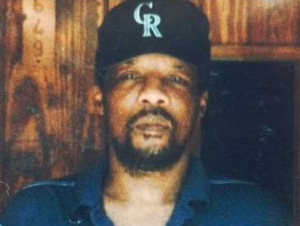
Brewer and his accomplices beat Byrd, urinated on him and spray‑painted his face. They then tied him to a Ford pickup truck and dragged him for three miles (5 kilometers) along a paved road. Byrd, who remained conscious for much of the ordeal, died when his body struck the edge of a culvert, which severed his right arm and head.
Brewer and John King were the first white men in modern Texas to receive the death penalty for killing a Black man. Shawn Berry received a life sentence. The murder shocked the nation and became one of the most notorious racially motivated killings in U.S. history.
The crime also spurred legal change. In 2009, the James Byrd Jr. Hate Crimes Act was passed under President Barack Obama, expanding federal protections against violent crimes motivated by race, religion, gender, sexual orientation, disability, and more.
Far beyond the usual
Before his execution in 2011, Brewer was asked what he wanted for his final meal.
In Texas, last‑meal requests often include steak, burgers, or breakfast favorites, and some inmates decline the meal altogether.
But Brewer’s order went well beyond the ordinary.
According to the Houston Chronicle, he requested an enormous spread: chicken‑fried steaks, fried okra with ketchup, a cheese omelet loaded with ground beef, jalapeños, and bell peppers, a triple‑meat bacon cheeseburger, three fajitas, one pound of barbecue, a half‑loaf of white bread, and a pizza “meat lover’s special.”
He also asked for one pint of Blue Bell “homemade vanilla” ice cream, a slab of peanut butter fudge with crushed peanuts, and three root beers. Prison staff prepared the extravagant meal — but when it was served, Brewer refused to eat any of it, saying he wasn’t hungry.

The food was later discarded.
Texas Senator John Whitmire, outraged by the stunt, ended the tradition of last meals in the state. In a letter to prison chief Brad Livingston, he wrote that it was inappropriate to give a person sentenced to death such a privilege and declared, “enough is enough.”
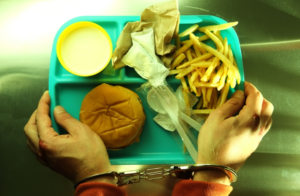
As a result, death row inmates in Texas now receive only the regular meal served in the Huntsville Unit cafeteria on the day they are executed.
Reactions and reality
Whitmire’s decision drew criticism. Prison reform advocate Ray Hill defended the tradition of last meals, calling it “cruel and extremely unusual” to end a practice so rooted in Texas history.
Brian Price, a Crockett restaurant owner and former death row “chef,” argued the senator’s complaints were exaggerated.
“They only get items in the commissary kitchen,” Price said. “If they order lobster, they get a piece of frozen pollack. They quit serving steaks in 1994. If they order 100 tacos, they get two or three. … Whitmire’s just getting on a political soapbox.”
Having prepared more than 200 last meals for condemned inmates, Price — author of the prison cookbook Meals to Die For — emphasized that the reality of last meals is far less lavish than the public imagines.
Lawrence Brewer was executed by lethal injection and pronounced dead on September 21, 2011, in Huntsville, Texas, according to the Texas Department of Criminal Justice. He had no final words.
What do you think — was it right for Texas to end the tradition of last‑meal requests for death row inmates? Drop your opinions in the comments.